


Can You Sue After a Motorcycle Hit-and-Run Accident in NYC?
A motorcycle hit-and-run accident can leave a rider with serious injuries, high medical bills, and uncertainty about who will cover the costs. This can happen if a car suddenly changes lanes, a truck makes an unsafe turn, or a driver runs a red light and then leaves the scene. Sometimes, a driver forces a motorcycle off the road without even making contact. When the driver disappears, the injured rider may not have a license plate number, insurance details, or even a description of the vehicle. Not knowing who caused the accident can make an already tough situation even harder.
Yes, you may still be able to recover compensation after a motorcycle hit-and-run accident in New York City, even if the driver is never identified. Depending on the circumstances, an injured motorcyclist may have a claim under uninsured motorist coverage, supplementary uninsured/underinsured motorist coverage, or against another legally responsible party. However, these claims involve important insurance requirements, including prompt reporting, proof that another vehicle caused the accident, and, in certain unidentified-vehicle claims, physical contact requirements. Motorcycle riders also face an additional challenge because New York generally excludes motorcycle operators and passengers from ordinary No-Fault Personal Injury Protection benefits.
At Greenstein & Pittari, LLP, our motorcycle accident lawyers in New York City investigate hit-and-run crashes, find available insurance coverage, preserve critical surveillance footage, and seek compensation for injured riders and their families. We know that key evidence can disappear quickly after a driver leaves the scene, and that insurance companies may question claims involving unknown drivers. If you were hurt in a motorcycle hit-and-run in Manhattan, Brooklyn, Queens, the Bronx, Staten Island, Long Island, or Westchester County, call 1-800-VICTIM2 (1-800-842-8462) for a free consultation.
Don’t Be a Victim Twice.
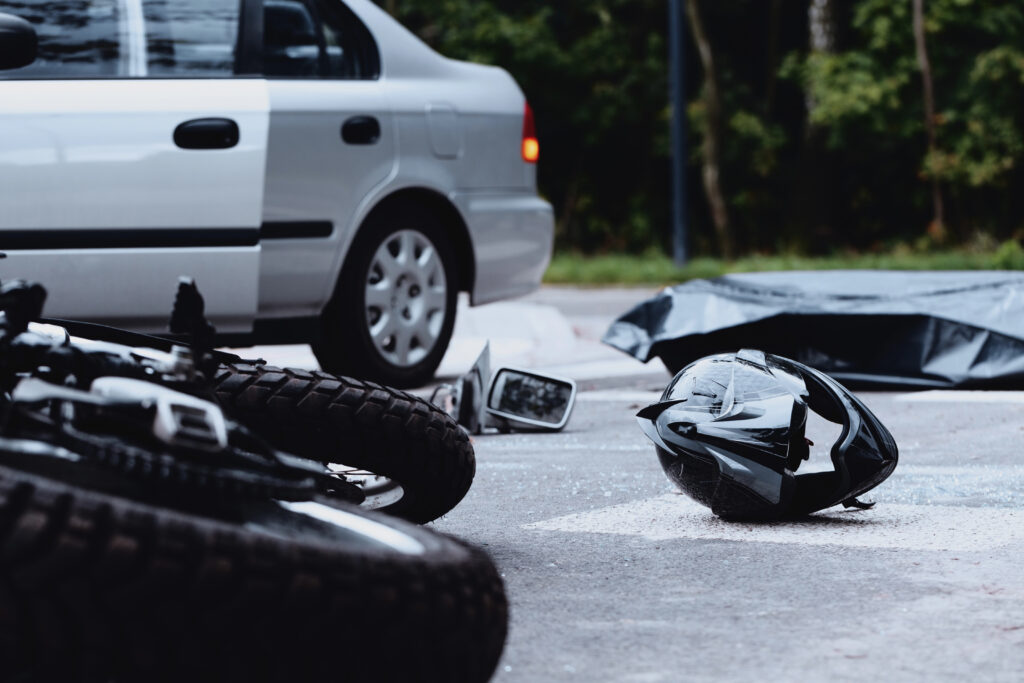
Can You File a Personal Injury Claim if the Driver Who Hit Your Motorcycle Fled the Scene?
Yes. If you are injured in a hit-and-run, you can still seek compensation even if the driver leaves without giving their information. Your legal options depend on whether police later find the driver, whether you have uninsured motorist coverage, and whether someone else was partly at fault. If the police find the driver, you can file a negligence claim and check for liability insurance. If the driver is not found, you may be able to use your uninsured motorist policy, as long as you meet the legal and policy requirements. You might also have a claim against another negligent driver, vehicle owner, employer, or other responsible party. However, a hit-and-run does not automatically mean you get insurance benefits. You still need to show how the crash happened, that the other driver was at fault, and what injuries and damages you suffered.
What Is Considered a Motorcycle Hit-and-Run Accident in New York?
A motorcycle hit-and-run usually happens when a driver leaves the scene of a crash without stopping to give their information or help. New York Vehicle and Traffic Law § 600 covers leaving the scene of accidents that cause property damage or injury. In these cases, a driver might hit the rider, crash into the motorcycle, or cause a chain-reaction accident before leaving. Sometimes, a driver stops at first but then leaves without giving enough information. The law treats the driver’s actions differently from how insurance benefits are determined for the injured motorcyclist. If you want to make an uninsured motorist claim for an unidentified vehicle, you may need to prove the crash meets your policy’s definition. Lawyers must consider both what the driver did and what the insurance policy requires, since not every hit-and-run is handled the same way.
Is Leaving the Scene of a Motorcycle Accident a Crime in New York?
Leaving the scene of a crash that causes injury can be a crime under New York Vehicle and Traffic Law § 600. The seriousness of the crime depends on what happened and how badly people were hurt. Drivers in these accidents must stop, give their information, and follow the law about helping injured people. If a driver hits a motorcyclist and then leaves on purpose, they could be charged with a crime, especially if someone is badly hurt or killed. But you do not need a criminal charge to file a civil negligence claim. Also, a criminal conviction does not decide how much money you can get in a civil case. Police and prosecutors investigate possible crimes, while a personal injury lawyer determines who is at fault, what insurance is available, and what caused the accident. The criminal investigation may find evidence that supports your civil claim, such as witness statements, video footage, vehicle details, or admissions.
What Should You Do Immediately After a Motorcycle Hit-and-Run Accident?
After a motorcycle hit-and-run, your first step should be to get emergency medical help and report the crash to the police. If you are able and it is safe, take photos of the motorcycle, the road, any debris, skid marks, traffic signs, and your injuries. Getting witness names and contact details is very important since the driver is gone. Share any details you remember about the fleeing vehicle, like its color, make, model, damage, direction, or part of the license plate, but only if you are sure. Try to find nearby surveillance cameras quickly, as recordings can be erased. Keep any damaged gear, and don’t fix or get rid of your motorcycle until you’ve recorded all evidence. Let your insurance company know right away, since uninsured motorist coverage may have early reporting deadlines.
How Quickly Must You Report a Motorcycle Hit-and-Run to the Police?
If you are hurt in a motorcycle hit-and-run, report it to the police right away or as soon as you can. Reporting quickly helps show what happened, helps find the driver, and may be needed for uninsured motorist coverage. New York’s rules for uninsured motorist claims have special conditions for some hit-and-run cases, and your policy may have additional reporting requirements. What happens if you report late depends on your coverage and the situation. If you are in the hospital and cannot report the accident yourself, the details matter. You or a family member should get the police report and keep records explaining any delay. Lawyers should review your policy and the law to see whether you met the reporting rules or whether a late report affects your coverage.
Can the Police Find a Driver Who Fled After Hitting a Motorcycle?
Police can sometimes find a hit-and-run driver using video footage, witness statements, car parts left at the scene, registration info, traffic cameras, and other tools. In New York City, video might come from nearby businesses, apartment buildings, parking lots, buses, taxis, delivery trucks, or private security cameras. Witnesses might remember part of a license plate, the car’s color, damage, or which way the driver went. Physical clues like broken lights, paint marks, or car parts can also help. Still, police cannot always find every hit-and-run driver, and some videos may be erased before they are reviewed. A personal injury lawyer can investigate and work to preserve important evidence. Finding the driver can give you more insurance and legal options.
Can Surveillance Cameras Help Identify a Motorcycle Hit-and-Run Driver?
Yes. Surveillance recordings are often some of the most important evidence after a motorcycle hit-and-run. They can show the fleeing vehicle, the crash itself, and how the driver left the scene. Cameras from businesses, homes, parking garages, and other locations may capture details riders and witnesses missed. Sometimes, several recordings can help piece together the vehicle’s movements before and after the crash. But not all traffic cameras record or keep footage, and private systems may erase recordings quickly. An attorney should identify possible sources and request the footage right away. Video quality, camera angle, lighting, and frame rate can affect whether you can see a license plate or describe the vehicle. Even if the footage does not show the driver, it can still provide important evidence about the crash and the fleeing driver’s actions.
What if You Remember Only Part of the Hit-and-Run Driver’s License Plate?
Even if you only remember part of the license plate, it can still help identify the vehicle in a motorcycle hit-and-run. Investigators can use the characters you recall, along with the vehicle’s make, model, color, unique features, damage, and direction of travel. Surveillance videos and witness accounts can help narrow down the options. Report only the characters you truly remember, not guessed numbers or letters. Wrong information can make the investigation harder and may raise credibility issues. Write down the partial plate as soon as possible, since memories can fade after a stressful event. Police can use registration records and other tools to find possible vehicles, though access to these records depends on the law. An attorney can also help gather evidence and work to identify the driver.
Can You Recover Compensation if the Hit-and-Run Driver Is Never Found?
Yes, you may still be able to get compensation even if the driver is never found, usually through uninsured motorist coverage. These claims have special rules and requirements that differ from claims against known drivers. The injured rider usually needs to show that another vehicle caused the crash and that the situation fits the policy’s definition of an uninsured or unidentified vehicle. Physical contact and reporting requirements can matter. If the claim meets the requirements, the rider can seek compensation for injuries, up to the policy limits and following the right steps. Depending on what happened, you may also have claims against other negligent parties. But not finding the driver does not guarantee coverage or payment. An attorney should review the policy, investigate the crash, and preserve any evidence showing an unidentified vehicle was involved.
Does Motorcycle Insurance Cover Hit-and-Run Accidents in New York?
A New York motorcycle insurance policy might include uninsured motorist coverage for certain hit-and-run accidents, depending on the law and the policy’s terms. In New York, motorcycle liability policies usually require basic uninsured motorist injury coverage. Some riders may also have extra uninsured or underinsured motorist coverage. These protections matter most if you can’t find the at-fault driver. But uninsured motorist coverage is different from collision, comprehensive, MedPay, or No-Fault benefits. UM coverage usually pays for certain injury damages caused by an uninsured or unidentified driver. Damage to the motorcycle itself may need a separate property damage claim. Riders should review the full policy, including all documents, to see what benefits are available and what rules apply.
What Is Uninsured Motorist Coverage After a Motorcycle Hit-and-Run?
Uninsured motorist coverage can pay an eligible motorcyclist for injuries caused by an unidentified driver, as long as the accident meets the coverage rules. This coverage helps when the at-fault driver has no insurance or can’t be found. The injured rider usually needs to prove the other driver was responsible and show the damages. Hit-and-run claims may also require a quick police report, notice to the insurer, and proof of physical contact. The insurer may check whether another vehicle was involved or whether the driver lost control alone. Medical records, witness statements, video footage, vehicle damage, and accident reconstruction can all be important. The amount you can recover depends on your policy limits, the damages you prove, and the coverage details.
Does New York Require Physical Contact for Motorcycle Hit-and-Run UM Claims?
New York’s uninsured motorist rules usually require physical contact for some claims involving unidentified hit-and-run vehicles. This can be a problem if a motorcyclist crashes while trying to avoid a driver who leaves without making contact. The rule is meant to show that an unidentified vehicle was involved, but how it applies depends on the law, the policy, and the accident details. Courts have considered cases involving both direct and indirect contact, so careful investigation matters. Riders should not assume the rule is unmet just because the motorcycle did not hit the fleeing vehicle directly. Evidence of contact with another vehicle or object may need legal review. Still, witness statements alone may not be enough if the coverage requires physical contact. An attorney should check the policy and accident details before deciding if you qualify.
Can You Recover Compensation if a Hit-and-Run Driver Forced You to Swerve Without Contact?
If a motorcyclist crashes while swerving to avoid an unidentified vehicle, it may be hard to get uninsured motorist benefits if the coverage requires physical contact with the hit-and-run vehicle. For example, a driver might suddenly change lanes, making the rider hit a curb or barrier before the driver leaves. Even if the unidentified driver caused the crash, the lack of physical contact can make insurance claims more difficult. If the driver is later identified, the rider can file a standard negligence claim without meeting the physical-contact rule. The rider may also have claims against other responsible parties if the evidence supports it. An attorney should check whether any contact occurred, whether indirect contact counts, and whether other insurance or legal options are available.
What if the Hit-and-Run Driver Struck Another Vehicle Before Hitting Your Motorcycle?
A motorcycle hit-and-run that involves several vehicles can raise more questions about liability and insurance. For example, a fleeing driver might hit a car, which then hits a motorcycle, or cause a chain-reaction crash with several drivers. The unidentified driver may be mainly at fault, but other drivers’ actions may also need to be considered. Physical contact between vehicles can matter for uninsured motorist coverage, but whether indirect contact counts depends on the facts and the law. An attorney should review the order of impacts, vehicle damage, video footage, and witness statements. There may be claims against known negligent drivers and under uninsured motorist coverage. Because more than one insurance policy may be involved, the attorney should confirm which coverage applies, the limits, and who is legally responsible.
Can You Sue After a Hit-and-Run Motorcycle Accident Involving a Parked Car?
Yes. A motorcyclist can have a negligence claim if a driver hits a parked car, causes a chain reaction, or forces the motorcycle into a parked car before leaving the scene. The legal outcome depends on how the crash happened and if another party played a role. For example, a driver might change lanes unsafely, hit a motorcycle, and push the rider into a parked car. Or, a rider might hit a parked car while trying to avoid a fleeing driver. The owner of the parked car is not automatically at fault just because their car was involved. But if the car was parked improperly, had an illegally opened door, or created another hazard, the owner could still be liable. Video footage, damage, road markings, and witness statements can help show what happened and who might be responsible.
What if the Hit-and-Run Driver Was Uninsured but Later Identified?
If the fleeing driver is later identified and uninsured, the injured motorcyclist can file a negligence claim against that driver and look into uninsured motorist coverage. Knowing who the driver is can help confirm who owns the vehicle, whether they have insurance, whether they have employment connections, and whether there are other ways to recover damages. The rider may also get more evidence during the legal process, such as statements, records, and testimony about the accident. Still, identifying the uninsured driver does not mean they have enough assets to pay a judgment. Uninsured motorist coverage may still be a key way to get compensation. The insurance company might still challenge who is at fault, the amount of damages, or whether the policy applies. An attorney should handle both the negligence and insurance claims carefully to protect the rider’s rights and avoid unnecessary legal issues.
Can You Sue the Owner of a Vehicle Used in a Motorcycle Hit-and-Run?
A motorcyclist may be able to sue the owner of a vehicle involved in a hit-and-run if New York law holds the owner responsible for the driver’s negligence. Vehicle and Traffic Law § 388 usually makes owners responsible when someone else uses their vehicle with permission. For example, if a driver hits a motorcycle and flees while driving a car owned by a family member or business, the owner could be liable if the driver had permission and the law’s requirements are met, even if the owner was not there. Check whether the driver had permission, who owns the vehicle, what type of vehicle it is, and whether any exceptions apply. If the vehicle was stolen or used without permission, different rules may apply. An attorney should obtain the registration details, review the driver’s connection to the owner, and determine whether liability insurance or other coverage applies.
What if a Commercial Truck Driver Flees After Hitting Your Motorcycle?
A motorcycle hit-and-run involving a commercial truck may create claims against the driver, vehicle owner, employer, or other legally responsible parties. Commercial vehicles often have identifying information, including company markings, vehicle numbers, registration details, and electronic records that may help investigators locate the truck. The employer may face liability when the driver was acting within the scope of employment, while separate negligence theories may arise from the company’s conduct when supported by evidence. An attorney should investigate dispatch records, delivery routes, GPS information, onboard camera footage, vehicle maintenance records, and commercial insurance coverage. Trucking and delivery companies may retain records for only a limited time, so prompt preservation matters. The driver’s decision to flee may also lead to a criminal investigation, but the civil claim must still establish negligence, causation, and damages.
Can You Sue After a Hit-and-Run Involving a Taxi or Rideshare Vehicle?
Yes. A motorcyclist injured by a taxi or rideshare vehicle that leaves the scene may have a claim against the negligent driver and other responsible parties. New York City taxis and for-hire vehicles may be identifiable through license plates, TLC information, vehicle markings, trip records, and surveillance footage. If the driver was transporting a passenger or operating within a commercial arrangement, additional insurance and liability questions may arise. Coverage availability depends on the vehicle’s classification, licensing status, trip circumstances, and applicable policies. A rideshare company’s involvement does not automatically establish that every company insurance policy applies. An attorney should investigate the driver, vehicle owner, commercial insurance, and any relevant trip or dispatch records. Prompt identification may be particularly important because an otherwise uninsured motorist claim could become a claim against an identifiable insured defendant.
Can a Motorcycle Passenger Recover Compensation After a Hit-and-Run?
Yes. A motorcycle passenger injured in a hit-and-run accident may have potential claims against the fleeing driver, another negligent motorist, or under applicable uninsured motorist coverage. Passengers generally do not control the motorcycle’s operation, and courts should evaluate their legal claims separately from the motorcycle rider’s claims. If the fleeing driver remains unidentified, the passenger may qualify for UM benefits under the motorcycle’s policy or another applicable policy, subject to the coverage definitions and conditions. The motorcycle operator’s conduct may also require investigation if speeding, distraction, or another negligent act contributed to the collision. The passenger may seek compensation for legally recoverable medical expenses, lost earnings, pain and suffering, and other damages. An attorney should identify all applicable insurance policies and determine whether the passenger’s status creates additional coverage options.
Who Pays Medical Bills After a Motorcycle Hit-and-Run?
Medical expenses after a motorcycle hit-and-run may initially be paid through private health insurance, Medicare, Medicaid, or applicable optional medical payments coverage. Motorcycle operators and passengers are generally excluded from New York’s ordinary No-Fault Personal Injury Protection benefits, even when another driver caused the collision and fled. Uninsured motorist coverage may eventually compensate the rider for qualifying bodily injury damages, including medical expenses, but it does not ordinarily function as an immediate medical bill payment program. The insurer may investigate liability, coverage, and damages before resolving the claim. Injured riders without health insurance may face substantial financial difficulties while pursuing compensation. An attorney should review available benefits, medical billing arrangements, and potential liens or reimbursement obligations. Future medical expenses should also be evaluated when the injuries require ongoing treatment or additional surgery.
Can You Recover Lost Wages After a Motorcycle Hit-and-Run?
Yes. You may recover lost earnings through a qualifying uninsured motorist claim or a negligence action against an identified responsible driver. A motorcyclist who suffers fractures, spinal injuries, traumatic brain injuries, or other serious harm may be unable to work for weeks, months, or permanently. Because motorcycle occupants generally do not receive ordinary New York No-Fault wage-replacement benefits, lost income may create immediate financial hardship. A claim may include documented past lost wages and diminished future earning capacity when supported by appropriate evidence. Employer records, tax returns, disability notes, and vocational or economic expert opinions may be relevant. Self-employed riders may need business records to establish lost earnings. The insurer may dispute the duration of disability or the link between the injuries and the claimed income loss, so thorough documentation matters.

Can You Recover Pain and Suffering After a Motorcycle Hit-and-Run?
Yes. An injured motorcyclist may pursue compensation for pain and suffering through an applicable uninsured motorist claim or a negligence lawsuit against an identified responsible party. Recoverable noneconomic damages may include physical pain, emotional suffering associated with the injuries, permanent limitations, disfigurement, and loss of enjoyment of life. Motorcycle operators and passengers generally fall outside the ordinary Insurance Law Article 51 serious-injury threshold framework, but they must still prove the accident caused the claimed injuries and damages. The amount recoverable depends on the medical evidence, injury severity, long-term prognosis, liability, and available insurance limits. A rider who suffers a permanent spinal injury or multiple fractures may have substantial damages, but the insurer may contest causation or the extent of the impairment. Medical records, diagnostic imaging, treatment history, and evidence of daily limitations may help support the claim.
What if the Motorcycle Was Damaged or Destroyed in the Hit-and-Run?
Damage to the motorcycle may be covered under applicable collision insurance or through a property damage claim against an identified negligent driver. Still, uninsured motorist bodily injury coverage should not automatically be assumed to pay for motorcycle repairs or replacement. The rider should review the motorcycle policy to determine whether collision coverage or another applicable property-damage provision exists. If the rider identifies the responsible driver, they may pursue compensation for legally recoverable property damage, subject to liability and collectability. Photographs, repair estimates, ownership documents, and evidence of the motorcycle’s pre-accident condition may be important. Do not dispose of the motorcycle prematurely, as its damage may also help establish how the collision occurred. In a disputed hit-and-run case, physical evidence from the motorcycle may be more valuable than an immediate property-damage payment.
Does MVAIC Cover Motorcycle Hit-and-Run Accidents in New York?
The Motor Vehicle Accident Indemnification Corporation (MVAIC) offers certain legal remedies for people hurt in accidents with uninsured or unidentified vehicles, but motorcycle cases need extra care. Motorcycle riders and passengers usually do not get standard No-Fault benefits, so you should not expect MVAIC to automatically cover medical bills or pay compensation just because the other driver is unknown. Whether you qualify depends on your status, your insurance, the accident details, and legal requirements. MVAIC claims also have specific deadlines for notice, reporting, and procedures. Pedestrians and others not on a motorcycle may face different rules. A lawyer should review whether you qualify for MVAIC help and explain how it differs from uninsured motorist benefits under a motorcycle policy.
Can You Recover Compensation if You Were Partly Responsible for the Hit-and-Run?
Yes. If you were hurt in a motorcycle hit-and-run, you may still have a valid claim even if you were partly at fault. For example, if a driver made an unsafe lane change and you were speeding, both actions could have caused the crash. Your compensation may be reduced based on your share of fault. Most motorcycle negligence cases in New York follow the usual comparative-fault rules. Insurance companies may try to place more blame on the rider, especially if the other driver cannot provide their side. Evidence like video footage, witness statements, and accident reconstruction can help show what really happened. Just because the other driver fled does not mean they were fully at fault, but it also does not mean the rider should be blamed without proof.
Does the Hit-and-Run Driver’s Flight Prove They Caused the Accident?
A driver leaving the scene can be important evidence, but it does not automatically mean the driver caused the crash. People may flee for many reasons, like fear of arrest, not having insurance, or wanting to avoid blame. The legal meaning of fleeing depends on the situation and the applicable rules of evidence. In a civil motorcycle accident case, the injured rider still needs to prove the driver caused the accident and the injuries. Things like video footage, witness statements, traffic violations, and physical evidence can help. When the driver flees, it can make the investigation harder because their side of the story and insurance details are missing. A lawyer should gather other proof of negligence instead of relying only on the fact that the driver left.
What if the Police Report Does Not Identify the Hit-and-Run Driver?
If the police report does not name the fleeing driver, you can still seek compensation for your injuries. Many hit-and-run reports have limited details at first because the driver left before police arrived. Still, the report may include the crash location, injuries, witness statements, vehicle descriptions, and signs another vehicle was involved. Further investigation might find video footage, new witnesses, or physical evidence not in the original report. For uninsured motorist claims, the report can help meet reporting rules. A lawyer should get the report, check its details, and look for missing or incorrect information. Not having a named driver may change your legal approach, but it does not always mean you lose insurance benefits.
How Do You Prove an Unidentified Driver Caused a Motorcycle Accident?
To prove an unidentified driver caused a motorcycle accident, you usually need evidence showing another vehicle was involved, acted carelessly, and caused your injuries. Witnesses might describe the fleeing vehicle making a dangerous turn or hitting the motorcycle. Video footage can show what happened and whether the vehicles made contact. Vehicle damage, paint marks, broken parts, debris, and skid marks can also matter. In disputed cases, accident reconstruction can help decide if the motorcycle was hit or forced to swerve. Medical records show your injuries but usually do not prove how the crash happened. A lawyer should also review your uninsured motorist policy, since the proof needed for an unidentified-driver claim may differ from a claim against a known driver.
What Happens if the Insurance Company Claims There Was No Other Vehicle?
An uninsured motorist insurer might deny a motorcycle hit-and-run claim by saying the rider lost control and no other vehicle was involved. This can happen if police don’t find the fleeing driver, no witnesses saw the crash, or the damage doesn’t match a collision with another vehicle. The insurer may also use early statements or missing details in the police report. Before accepting this, a lawyer should review all physical evidence, photos, video footage, witness accounts, and vehicle damage. Sometimes, an expert can help decide if the evidence shows another vehicle was involved. The insurer’s first answer is not final. Still, the rider must prove the facts and meet the policy’s requirements, including any rule about physical contact.
Can You Challenge a Denied Motorcycle Hit-and-Run Insurance Claim?
Yes. If your uninsured motorist claim is denied, you can challenge the decision if the insurer misreads the policy, ignores evidence, or applies the rules incorrectly. How you challenge it depends on why the claim was denied. If the issue is about coverage, you may need to go to court. If it is about who was at fault or the amount of damages, it may go to arbitration. Your lawyer should collect the full policy, denial letter, police report, claim paperwork, and any evidence about the crash. The insurer’s reasons, like needing physical contact or certain reporting, should be checked under New York law. A denial does not always mean bad faith or extra damages, but you may still have a case. Act quickly, as deadlines may apply.
Is Arbitration Required for a Motorcycle Hit-and-Run UM Claim?
Arbitration may be required or allowed for some uninsured motorist disputes under New York insurance policies. Usually, UM arbitration decides if you can get damages from the uninsured driver and how much, based on your policy. But if the disagreement is about coverage, policy rules, or meeting conditions, you might need to go to court instead. The right process depends on your policy and the issue. Evidence can include witness statements, video footage, medical records, police reports, and expert opinions. The insurer may argue about whether the unknown driver was involved, how much fault the rider had, the injuries, or the damages. Your lawyer should find the right place to bring your case and protect your rights before starting.
How Long Do You Have to File a Motorcycle Hit-and-Run Claim in New York?
A motorcycle hit-and-run case can have several deadlines, and the usual time limit for personal injury lawsuits does not cover all insurance rules. Most lawsuits against a known driver must start within three years under CPLR § 214(5). But uninsured motorist policies often require quick notice, fast police reporting, and other steps for claims involving unknown drivers. If a government vehicle is involved, special deadlines may apply. MVAIC claims have their own rules and time limits. Do not assume you have three years to tell your insurer about a hit-and-run just because you have three years to sue. Since evidence can disappear and your rights may depend on acting fast, get legal advice as soon as possible.
Can Families File a Wrongful Death Claim After a Fatal Motorcycle Hit-and-Run?
Yes. If a motorcycle hit-and-run leads to a rider’s death, the personal representative can file a wrongful death claim against the responsible driver or another liable party, following New York law. If police do not locate the driver, uninsured motorist coverage may help, depending on the policy and the situation. In New York, wrongful death damages usually cover economic losses suffered by eligible family members, while a separate survival claim can address damages the deceased suffered before passing. Insurance limits and policy details can greatly affect what is recovered. Wrongful death cases in New York generally must be started within two years of the death, though there are some exceptions. Families should get legal advice quickly, since insurance notice rules and the need to preserve evidence can come up much sooner than the lawsuit deadline.
How Can a New York City Motorcycle Accident Lawyer Help After a Hit-and-Run?
A New York City motorcycle accident lawyer can help by trying to find the fleeing driver, preserving surveillance footage, finding witnesses, assessing vehicle damage, and identifying applicable insurance. If the driver is found, the lawyer can check their insurance, who owns the vehicle, whether they were working at the time, and whether anyone else is responsible. If the driver is not found, the lawyer can review uninsured motorist coverage and see if the accident meets the policy rules. The lawyer can also gather medical records, proof of lost wages, and expert opinions if there are questions about fault or how much is owed. Hit-and-run cases need careful attention to police reports, insurance notifications, proof of physical contact, and arbitration steps. Getting a lawyer early can help save important evidence and protect your insurance rights. The goal is to find every possible way to get compensation and build a strong case for your injuries and losses.
Why Choose Greenstein & Pittari, LLP?
Motorcycle hit-and-run accidents are more complicated than regular crashes. The at-fault driver may leave the scene, insurance details can be hard to find, and surveillance videos may be lost before anyone knows to look for them. Insurance companies may question whether another vehicle was involved, whether there was physical contact, or whether the injured rider followed the reporting rules. At Greenstein & Pittari, LLP, our attorneys know how to handle these challenges. We focus on preserving evidence, determining who is responsible, and exploring every possible way to recover compensation.
Our firm has decades of experience helping injured New Yorkers with serious personal injury cases. We investigate motorcycle accidents, gather police and insurance records, search for surveillance videos, speak with witnesses, and review any disputes about who was at fault. When needed, we work with experts to study the accident and document the medical effects of serious injuries. We know that motorcycle hit-and-run victims may need surgery, long-term rehab, may lose income, or face lasting disabilities and pain. Our attorneys prepare each case carefully and are ready to go to court or arbitration if insurance companies do not offer a fair settlement.
We believe injured clients should get quick answers, strong representation, and personal care. Greenstein & Pittari, LLP helps motorcycle accident victims in Manhattan, Brooklyn, Queens, the Bronx, Staten Island, Long Island, and Westchester County. Our staff speaks English and Spanish, making it easier for clients to get help. You can reach us by phone, text, email, or through our secure client portal. We promise clear explanations, regular updates, and respectful treatment throughout the legal process.
If you or someone you care about was hurt in a motorcycle hit-and-run, don’t think that just because the driver left, you can’t get compensation. Our attorneys can review the accident, check what insurance is available, identify possible at-fault parties, and explain your legal options.
Call Greenstein & Pittari, LLP at 1-800-VICTIM2 (1-800-842-8462) for a free consultation, available 24/7.
Our Fee Guarantee: No Fee Unless Successful.
Don’t Be a Victim Twice.