


NYC Rear-End Truck Accident Lawyer
Injured in a Rear-End Truck Accident in NYC? Get Legal Help Now
A rear-end collision with a commercial truck in New York City is not a minor accident. When a tractor-trailer, delivery truck, or construction vehicle crashes into the back of a passenger car, the results are often devastating. Victims are frequently left with serious injuries, mounting medical bills, and aggressive insurance companies attempting to minimize their claims. At Greenstein & Pittari, LLP, our New York City truck accident lawyers fight for injured victims across all five boroughs. We investigate every detail, identify all responsible parties, and pursue maximum compensation under New York law.
Call 1-800-VICTIM2 (1-800-842-8462) today for a free consultation. You pay nothing unless we win.
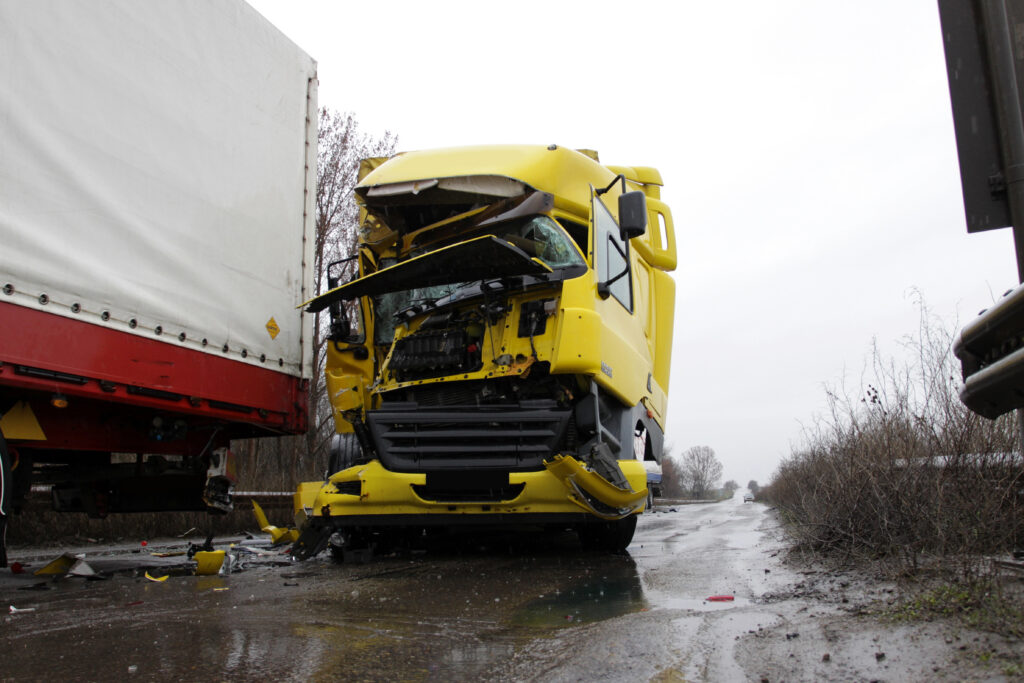
Why Rear-End Truck Accidents Are So Dangerous
Rear-end collisions involving commercial trucks are far more severe than typical car accidents due to the size and weight of these vehicles. A fully loaded truck can weigh up to 80,000 pounds, which significantly increases stopping distance and impact force. Even low-speed collisions can result in serious injuries because smaller vehicles absorb most of the force. In New York City’s stop-and-go traffic conditions, even a brief moment of inattention by a truck driver can lead to life-changing consequences.
Common Causes of Rear-End Truck Accidents in NYC
Most rear-end truck accidents are preventable and caused by negligence. Driver fatigue is a major factor, as long hours on the road can slow reaction time and impair judgment. Distracted driving is also common, with drivers using phones, GPS systems, or dispatch devices instead of focusing on traffic conditions. Speeding and tailgating make it difficult for trucks to stop in time, particularly in congested areas. Mechanical issues such as brake failure or poor maintenance can prevent a truck from stopping altogether. Heavy traffic conditions in NYC require constant attention, and overloaded or improperly secured cargo can further increase stopping distance and reduce vehicle control.
Who Is Liable in a Rear-End Truck Accident in New York City
Liability in truck accident cases is often more complex than in standard car accidents. Responsibility may extend beyond the driver to include the trucking company, delivery or logistics companies, maintenance providers, cargo loading companies, and even vehicle or parts manufacturers. In many cases, employers can be held legally responsible for the actions of their drivers. A thorough investigation is necessary to identify every liable party and ensure full accountability.
When the Truck Hits You vs When You Hit the Truck
When a truck rear-ends your vehicle, the rear driver is typically presumed to be at fault because drivers are expected to maintain a safe following distance and remain in control of their vehicle. However, cases where a passenger vehicle rear-ends a truck can be more complex. Liability may still fall on the truck driver or company if the truck had non-functioning brake lights, stopped suddenly without warning, was illegally parked or obstructing traffic, or failed to use hazard lights. Each case must be carefully analyzed to determine fault.
Common Injuries in Rear-End Truck Accidents
Rear-end truck accidents often result in severe and long-term injuries due to the force of impact. Victims may suffer traumatic brain injuries, whiplash and neck trauma, spinal cord injuries, including paralysis, herniated discs, broken bones, internal organ damage, and chronic pain conditions. Emotional trauma, including post-traumatic stress disorder, is also common. These injuries frequently require extensive treatment and can permanently affect a person’s ability to work and maintain their quality of life.
New York Laws That Affect Rear-End Truck Accident Claims
New York law includes several key rules that impact truck accident claims. Under the no-fault insurance system, your own insurance typically covers initial medical expenses and a portion of lost wages regardless of fault, but these benefits are limited. To pursue compensation for pain and suffering, you must meet the serious injury threshold defined by law. New York also follows comparative negligence rules, which means you may still recover compensation even if you are partially at fault. However, your recovery may be reduced based on your percentage of responsibility.
Evidence That Can Prove Fault
Strong evidence is essential in rear-end truck accident cases. Key evidence may include black box and electronic logging data, driver logs and hours-of-service records, maintenance and inspection records, surveillance or dashcam footage, witness statements, and police reports. Because this evidence can disappear quickly, early legal action is critical to preserving it.
Compensation Available After a Rear-End Truck Accident
If you were injured, you may be entitled to compensation that reflects the full impact of the accident on your life. This may include medical expenses and future treatment, lost wages and reduced earning capacity, pain and suffering, emotional distress, property damage, and loss of enjoyment of life. In cases involving permanent disability or disfigurement, additional compensation may be available, and in fatal cases, families may pursue wrongful death damages. Truck accident claims often involve significant insurance coverage, but insurers will aggressively attempt to limit payouts.
What To Do After a Rear-End Truck Accident in NYC
Taking the right steps after an accident can protect both your health and your legal claim. You should seek immediate medical attention, call 911, and ensure a police report is filed. Document the scene with photographs, gather driver and company information, obtain contact information for witnesses, avoid speaking with insurance adjusters, and contact a NYC truck accident lawyer as soon as possible. Acting quickly helps preserve evidence and strengthens your case.
How Greenstein & Pittari, LLP Can Help
We handle every aspect of your case so you can focus on your recovery. Our attorneys conduct detailed investigations, preserve critical evidence, identify all liable parties, calculate the full value of your damages, handle all insurance negotiations, and prepare your case for trial if necessary. We are not intimidated by trucking companies or corporate insurers and are committed to securing maximum compensation for our clients.
Contact a New York City Rear-End Truck Accident Lawyer Today
You do not have to face this alone. If you or a loved one has been injured in a rear-end truck accident in New York City, call Greenstein & Pittari, LLP today.
Call 1-800-VICTIM2 (1-800-842-8462)
Free consultation
No fee unless we win
Don’t Be a Victim Twice. Let us fight for you.
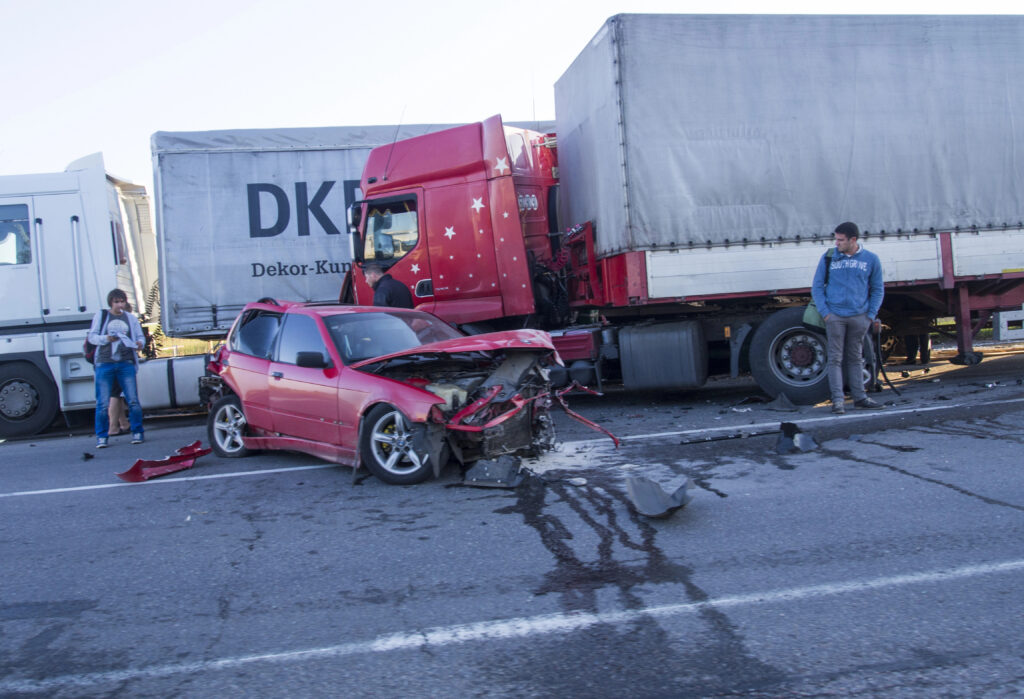
Frequently Asked Questions
Who is usually at fault in a rear-end truck accident?
In most cases, the rear driver is presumed to be at fault, but liability may shift if the truck had mechanical issues or violated safety rules.
Can I still recover compensation if I was partly at fault?
Yes. New York’s comparative negligence law allows recovery even if you share some responsibility, though your compensation may be reduced.
How much is a rear-end truck accident case worth?
The value depends on the severity of your injuries, medical costs, lost income, and available insurance coverage.
What if the trucking company denies responsibility?
This is common. A thorough investigation using records, data, and expert analysis can help prove liability.
How long do I have to file a claim in New York?
Most personal injury claims must be filed within three years, though shorter deadlines may apply in some cases.
Do I need a lawyer for a rear-end truck accident?
Yes. These cases are complex and often involve multiple parties and large insurance policies.
What evidence is most important in these cases?
Black box data, driver logs, maintenance records, surveillance footage, and witness statements are often critical.
What if the truck driver was working for a company like Amazon or UPS?
The company may be liable depending on the driver’s employment status and level of control over their work.