


Can a motorcycle passenger sue after an accident in New York?
A passenger on a motorcycle can absolutely suffer catastrophic injuries in an accident even if they have absolutely no control over the speed, direction, braking, or operation of the motorcycle. In a collision with a car, truck, bus, or another vehicle, the passenger can be thrown onto the road, struck by the other vehicle, or pinned underneath the bike. A relatively low speed impact can still result in a whole host of serious injuries including traumatic brain injury, spinal cord injury, broken bones, shoulder injuries, internal bleeding, severe road rash and permanent disability. The unfortunate reality is that the injured passenger may not be clear as to what their rights are, particularly where the motorcycle was being operated by a spouse, family member, friend, or romantic partner.
Yes, a motorcycle passenger injured in a New York accident can pursue compensation against the negligent motorcycle operator, the other driver, or any other party who may be legally liable. The passenger generally does not make the decisions that lead to the collision. As such, an injured passenger may have a claim against one or more of the drivers whose negligence led to the accident. It can be a fairly complex matter to work out who the proper defendants are and what insurance coverage is available. Motorcycle passengers are generally not covered under New York’s standard No-Fault Personal Injury Protection benefits and their recovery will likely be dependent upon liability insurance, uninsured/underinsured motorist coverage and other such policies.
At Greenstein & Pittari, LLP our New York City motorcycle accident lawyers represent injured motorcycle passengers and their families. We look at how the accident occurred, who may be at fault, what insurance is available and what we can pursue on your behalf for your medical bills, lost wages, pain and suffering and any permanent injuries. We represent clients throughout Manhattan, Brooklyn, Queens, the Bronx, Staten Island, Long Island and Westchester County. If you’ve been injured as a passenger on a motorcycle, call 1-800-VICTIM2 (1-800-842-8462) for a free consultation. Don’t be a victim twice.
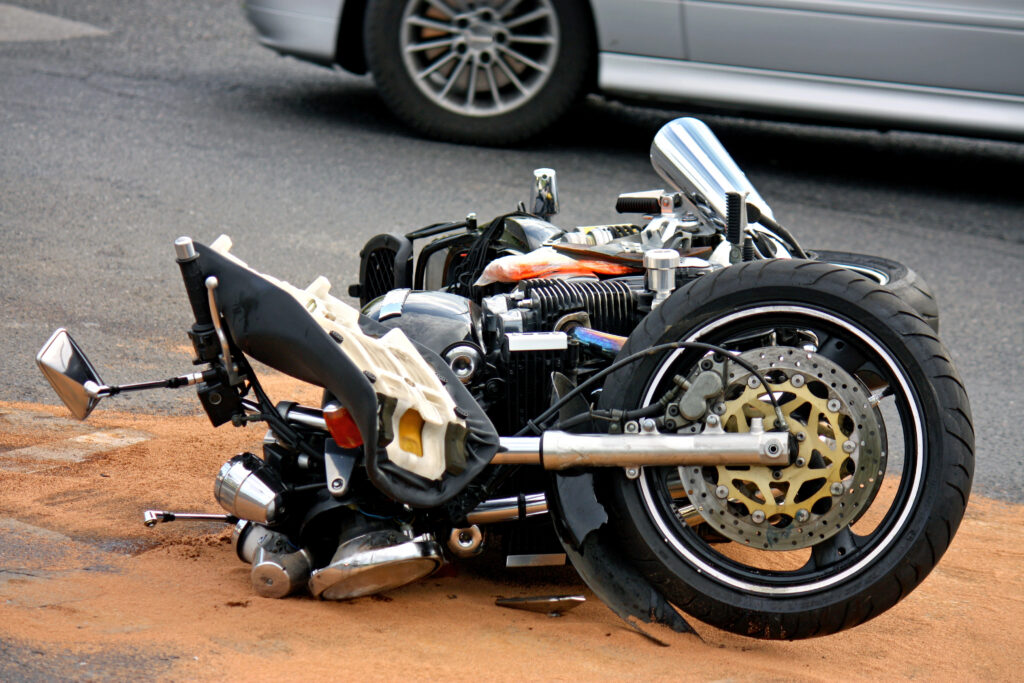
Can a motorcycle passenger bring a personal injury claim in New York?
Yes, a motorcycle passenger who has been injured as a result of someone else’s negligence can bring a personal injury claim against the appropriate parties. The liable parties will depend on the circumstances and may include the motorcycle operator, another motorist, the vehicle owner, the employer or indeed another person/entity whose negligence led to the accident. A passenger will typically not be in control of the motorcycle and so will have a very good claim where the accident has been caused by the negligence of the operator. That said, the passenger will still have to prove that the defendant owed a duty of care, that that duty was breached and that that breach has in fact caused compensable injury. Simply being injured does not of course mean that you can go and sue everyone involved. An attorney would need to look at the accident, determine who the liable parties are and then see which insurance policies may be able to pay out.
Who is responsible for the injuries of a motorcycle passenger?
Responsibility will be based on the conduct which led to the motorcycle accident. Another driver could be at fault for failing to yield, running a red light, making an illegal turn, changing lanes without checking, or being too close. The motorcycle operator could be at fault for speeding, riding in a reckless manner, driving whilst impaired or some other negligent act. In some cases both drivers will have contributed to the collision and so will share the responsibility. There may be other parties who are liable under the relevant law such as a vehicle owner who is liable for permissive use or an employer who is liable for the negligent driving of an employee in the course of employment. A defective component on the motorcycle or a dangerous road condition may also be relevant in appropriate circumstances. An attorney will need to look at the police report, any witness statements, any available CCTV, the state of the vehicles, and the insurance information to determine who the passenger may be able to claim against.
Can a motorcycle passenger sue the motorcycle driver?
Yes, a motorcycle passenger can sue the operator of the motorcycle if the operator’s negligence caused or contributed to the accident. The operator of the motorcycle has a duty to the passenger to exercise reasonable care in the operation of the motorcycle. If the operator is speeding, following too closely, making an unsafe turn or losing control through negligent operation then the operator may be liable for the passenger’s injuries. The passenger/operator relationship does not in itself preclude a claim in negligence. There will be a claim and there will be recovery (or at least the potential for recovery) in the majority of cases, but that is dependent upon the facts and the availability of insurance. An attorney would have to determine whether the operator was negligent, whether another driver was a contributory factor in the collision and whether the operator’s liability insurance will cover the passenger’s injuries. The passenger should not assume that by suing the operator they are necessarily going to have to go after the operator’s personal assets rather than the available insurance.
Can you sue a friend who was driving the motorcycle?
Yes, an injured motorcycle passenger can have a claim in negligence against a friend who was operating the motorcycle. The fact that the passenger was a friend of the operator and accepted a ride from them doesn’t in any way absolve the operator of their duty to operate the motorcycle in a reasonably careful manner. If the friend caused the accident by speeding, failing to yield, making an unsafe move, or otherwise riding negligently,suing the operator will necessarily require going the passenger may have a claim. In the majority of cases the claim will be brought against the operator’s liability insurer, subject to the terms and limits of the policy. The operator’s insurer may not have sufficient cover to compensate for the passenger’s injuries in the event of a catastrophic injury. Other potentially liable parties should be looked at. An attorney can
review the legal and insurance implications with the passenger so they understand how the claim will affect the operator and what other recovery optionsmay be available.
Can you sue your spouse or romantic partner after a motorcycle accident?
An injured motorcycle passenger may have a negligence claim against a spouse or romantic partner who was the one who caused the collision. The relationship can add a further layer of complexity in terms of both the law and the insurance. N.Y. Ins. Law § 3420(g) deals with liability coverage for injuries to a spouse and the availability of that coverage will turn on the policy, the statutory requirements and the facts of the case. A passenger who is injured whilst riding with a romantic partner who is not their spouse will generally have a different set of coverage issues. The relationship itself will not establish negligence nor will it in any way determine whether or not coverage is available. An attorney would need to look at the motorcycle policy, any applicable endorsements and the facts of the case before giving any advice as to whether or not a claim against the operator would be covered. If another driver was also at fault in the collision then the passenger may have other claims which would need to be looked at separately.
Can a motorcycle passenger sue both drivers after a collision?
Yes. Where both the operator of the motorcycle and another driver are negligent in the cause of an accident, an injured passenger may bring claims against both. For instance, a car driver may be making an unsafe left turn and at the same time the motorcycle operator may be approaching at an excessive rate of speed. If both of those actions contributed to the collision, both drivers may be found to have some degree of responsibility for the passenger’s injuries. The passenger typically won’t have to pick one negligent driver prior to the investigation into the circumstances of the accident. It can be a very complicated matter as to how the fault is apportioned and the rules as to how the damages are to be collected, particularly where there are multiple defendants and multiple insurance policies. New York has rules on comparative fault, joint liability and limits on the liability of certain defendants for noneconomic damages. An attorney will of course have to identify all potentially liable parties, preserve the relevant evidence and assess the available insurance.
What if the motorcycle driver was speeding?
A motorcyclist who was travelling at excessive speed could be liable for the injuries of a passenger if that excessive speed was a factor in the collision. Speeding will have a number of effects: it will reduce the time available to react, it will increase the stopping distance and it will make it more difficult to avoid another vehicle or a hazard on the road. That said, speeding does not, by itself, establish that the motorcyclist was at fault. Another driver may have failed to yield, may have changed lanes unsafely or may have failed to stop at a traffic signal. The passenger may have a claim against both drivers where their negligence has contributed to the collision. An attorney would need to look at the actual speed of the motorcycle, the condition of the road, the traffic controls and the actions of the other vehicles. CCTV, witness statements, physical evidence and accident reconstruction would all be factors in establishing whether the excessive speed was a cause or a contributory factor in the collision.
What if the motorcycle driver was intoxicated?
A biker who is riding while impaired by alcohol or drugs can be liable where the impairment is a factor in an accident which injures a passenger. Impairment can affect judgement, reaction time, coordination and the ability to control the bike. NY Vehicle and Traffic Law § 1192 specifically prohibits certain forms of impaired and intoxicated driving. The evidence may be police observations, chemical tests, witness testimony and/or criminal proceedings. A criminal charge or conviction is not a prerequisite to establishing civil negligence. The passenger’s knowledge of the operator’s impairment may be relevant in some circumstances (particularly where the defence is that the passenger accepted an unreasonable risk). An attorney would need to look at the evidence and determine whether the operator’s conduct was negligent and whether any conduct on the part of the passenger is relevant in the legal sense.
Can a motorcycle passenger recover compensation if the rider didn’t have a motorcycle licence?
A passenger on a motorcycle may still have a claim in negligence even if the operator of the motorcycle was without a licence or endorsement. The fact that the operator of the motorcycle was without a licence may be a traffic law violation but it doesn’t of itself mean that the operator caused the accident. The question of liability will be whether the rider was negligent in the way they were riding and whether the other driver was at fault. For instance, a properly licensed car driver who runs a red light may still be liable for hitting a motorcycle which is being operated by an unlicensed rider. The operator’s lack of a licence may also have an effect on the insurance, but the insurer is not in a position to automatically reject every claim on that basis. The insurer will have to look at the policy, the law and the circumstances of the accident before it can say what the effect of the lack of a licence will be. An attorney would have to do that.
Can a Motorcycle Passenger Sue if the Motorcycle Driver Was Lane Splitting?
Yes, a motorcycle passenger can seek compensation where the operator was illegally lane splitting and that was a contributing factor to the collision. NY Vehicle and Traffic Law § 1252(c) makes it illegal to operate a motorcycle between lanes of traffic or between adjacent lines or rows of vehicles. The operator’s breach of that law may form the basis of a negligence claim if it was a cause of the accident. Another driver may also be at fault for a number of reasons including an unsafe lane change, opening a door, or deliberately moving into the path of the motorcycle. The passenger’s claim is to be assessed separately from the operator’s comparative fault. The passenger is not automatically entitled to the operator’s negligence simply because they were on the motorcycle. The passenger’s own conduct may be looked at if there is evidence of a relevant allegation. An attorney would need to look at the actions of both drivers and all available insurance.
Can you sue another driver who hit the motorcycle you were riding on?
Yes, a motorcycle passenger can sue the other motorist whose negligence caused the collision. The most common scenarios would be a driver making a dangerous left turn, running a red light, failing to yield, following too closely or changing lanes without checking. The passenger would be entitled to compensation for their medical bills, lost income, pain and suffering and other such damages. The other driver’s insurer will of course try to shift the blame onto the motorcycle rider, particularly if the rider was speeding or allegedly riding in a manner that was improper. That said, fault will be determined from the evidence and even if the motorcycle operator was at fault in some way the other driver may still be liable for a proportion of the passenger’s damages. An attorney would have to look at both drivers to determine that and also whether there are multiple insurance policies available.
What if a car turned left in front of the motorcycle?
A passenger on a motorcycle who’s injured when a car turns left across the path of the motorcycle may have a claim against the driver who made the turn. VTL §1141 generally requires a driver turning left to yield to any vehicle approaching the intersection or which is close enough to be an immediate hazard. A driver who fails to see an approaching motorcycle or who misjudges its proximity may be at fault. The speed of the motorcycle, the traffic signal and the conduct of the motorcycle operator may also be relevant to the allocation of fault. The passenger may have a claim against one or both drivers where the evidence supports the allocation of fault. CCTV, witness statements, traffic signal information and accident reconstruction may all be relevant in determining how the incident occurred. The passenger’s damages will be assessed separately from any claim the motorcycle operator may have.
Can a motorcycle passenger sue after a truck or bus accident?
Yes, a motorcycle passenger who is injured when a truck or bus hits their motorcycle can bring a claim in negligence against the appropriate responsible parties. The sheer size and weight of large commercial vehicles means they are capable of inflicting devastating injury. A truck or bus driver can be negligent in a number of ways including making an unsafe turn, failing to yield, changing lanes incorrectly or following too closely. The driver’s employer and/or vehicle owner may also be liable. Where the collision is with an MTA bus, a NYC vehicle or some other public entity the relevant notice and filing deadlines may be different. An attorney would need to identify the correct operator, preserve the relevant video and electronic records and investigate the commercial insurance coverage. The passenger’s medical bills, lost income, permanent injuries and pain and suffering will all have to be documented as part of the claim.
Can a motorcycle passenger sue after a hit and run?
Yes. A motorcycle passenger injured in a hit and run may have a claim against the hit and run driver if the driver is identified. If the driver is not identified then there may be a claim under the applicable uninsured motorist coverage (subject to the relevant statutory and policy requirements). The motorcycle insurer may be a key source of protectionseveral. Unidentified vehicle claims can be subject to physical contact requirements, police report requirements and the requirement for prompt notice. The passenger may also have a claim against the motorcycle operator if their negligent riding was a contributory factor to the collision. An attorney would need to look at any available surveillance, any witness statements, the extent of the damage to the vehicle and any available insurance. The fact that the driver has vanished does not of itself mean that the passenger has no claim, but the insurance requirements will need to be looked at very carefully.
Does New York no-fault insurance cover motorcycle passengers?
Motorcycle passengers are normally excluded from the ordinary No-Fault Personal Injury Protection benefits of a motorcycle as the motorcycle is excluded from the statutory definition of a motor vehicle under Insurance Law Article 51. That means a passenger is generally not entitled to the No-Fault coverage of the motorcycle to pay for their accident-related medical expenses or to replace their lost income. The passenger would have to rely on their own private health insurance, Medicare, Medicaid, any optional medical payments coverage they may have, or other such benefits while they go about their negligence claim. The applicable bodily injury liability coverage will ultimately be the source of the compensation (via settlement or judgment). It will of course depend on the policies and the circumstances. An attorney should look at the motorcycle’s liability coverage, the insurance on the other vehicles involved and any uninsured/underinsured motorist benefits that may be available.
Who pays a motorcycle passenger’s medical bills after an accident?
A passenger’s medical expenses may be paid out of private health insurance, Medicare, Medicaid or any applicable optional medical payments coverage. Since a motorcycle occupant generally won’t qualify for standard New York No-Fault benefits there may be no automatic source of Personal Injury Protection to cover emergency treatment, surgery, rehabilitation, or lost wages. The liability insurer of the negligent driver may ultimately be responsible for paying the passenger’s medically necessary expenses, but that insurer will not pay the bills automatically while the claim is in process. This is particularly important where the injuries are of a nature that will require extensive treatment. An attorney should look at what benefits are available, look at the medical billing arrangements and assess any potential liability or liens. Future medical expenses should of course be considered where further surgery, further therapy or long term care is required.
Can a motorcycle passenger recover lost wages?
Yes, a motorcycle passenger who is injured in an accident and unable to work can sue the at-fault party for lost wages. Injuries such as fractures, spinal injuries, traumatic brain injury and shoulder tears can keep a passenger out of work for weeks, months or indeed for life. As motorcycle passengers don’t get the normal New York No-Fault wage replacement benefits, the loss of income can be a real and immediate financial hardship. Past lost earnings can be established from employer records, pay stubs, tax returns and medical records showing work restrictions. A self employed passenger will need business records to establish their loss. If the injuries are such that they permanently impair the ability to work, the claim can be for a loss of future earning capacity, which would be established through vocational or economic evidence. The amount that can be recovered will of course vary depending on the evidence, the liability and the availability of insurance.
Can a motorcycle passenger recover pain and suffering?
Yes, an injured motorcycle passenger can seek compensation for pain and suffering where the injuries were the result of another person’s negligence. The non-economic damages that may be recoverable in such a case would be the pain and suffering (physical and emotional), disfigurement, permanent disability and loss of enjoyment of life. A motorcycle passenger is generally not required to meet the “serious injury” threshold under Insurance Law Article 51 that applies to certain covered auto accident claims. The passenger would still have to prove that the defendant’s negligence was the cause of the injuries and damages claimed. Medical records, diagnostic imaging, surgical reports, treatment history, and the like would all be evidence of the injuries and any resulting limitations. The value of the claim will of course be determined by the severity of the injuries, the length of the recovery period, the prognosis, the availability of insurance and the like. The fact that there is no statutory “serious injury” threshold in place does not mean that you will necessarily get a large settlement.
Does a motorcycle passenger have to prove a serious injury under New York law?
Motorcycle passengers generally don’t have to establish a qualifying serious injury under Insurance Law § 5102(d) in order to recover pain and suffering in an ordinary negligence claim arising out of the fact that they were a passenger on a motorcycle. Motorcycles are expressly excluded from the relevant statutory definition of “motor vehicle,” and motorcycle occupants are generally not “covered persons” under the ordinary No-Fault scheme. SoCan a motorcycle passenger sue if the motorcycle driver was lane splitting? a passenger can pursue a claim without having to meet the serious injury threshold that applies in the case of certain automobile accident claims. Of course they still have to prove negligence, causation and legally recoverable damages. A relatively minor injury may be sufficient to support a claim, though the actual medical records and the actual consequences would determine the amount of damages. Serious injuries requiring surgery and/or resulting in permanent limitations will of course be worth a great deal more. An attorney would need to look at the medical records and the applicable insurance coverage to get a feel for what the potential recovery might be.
Can a motorcycle passenger recover compensation for permanent disability?
Yes. A motorcycle passenger who ends up with a permanent disability as a result of someone else’s negligence can go on to claim compensation for both economic and noneconomic damages as provided by law. Permanent injuries may be spinal cord damage, paralysis, traumatic brain injury, severe orthopaedic impairment, chronic pain and/or loss of mobility. The passenger may be in need of future surgery, rehabilitation, assistive devices, home modifications and/or personal care. The claim may be for reasonably established future medical expenses, loss of earning capacity, pain and suffering and loss of enjoyment of life. Medical specialists, rehabilitation experts, life care planners, vocational experts, and economists can all provide evidence of the passenger’s future needs. The amount of recovery available will of course be dependent upon liability, the level of insurance coverage and the strength of the evidence supporting the damages. An attorney should assess the likely future consequences before a serious injury claim is settled.
Can a motorcycle passenger sue for road rash and scarring?
Yes, a motorcycle passenger can pursue compensation for road rash, scarring and disfigurement where those injuries have been caused by the negligence of another. Road rash can range from a simple abrasion to a very serious injury with tissue loss, infection, nerve damage and permanent scarring. In the most serious cases it may require surgical debridement, skin grafts and a long period of wound care. Scarring may be very visible on the face, arms, legs and other parts of the body and may lead to ongoing pain and distress. The passenger will not normally have to meet the ordinary automobile serious injury threshold in order to recover for pain and suffering arising out of the motorcycle accident. The extent of the injuries and the resultant damages will need to be documented. Photographs, medical reports, surgical reports and the opinion of the treating doctor may all be of assistance in establishing the severity and permanence of the scarring.
Can a motorcycle passenger recover compensation for a traumatic brain injury?
Yes, a motorcycle passenger who suffers a TBI as a result of another person’s negligence can go on to claim compensation for their medical costs, lost income, pain and suffering and any other damages that are recognised by law. A TBI can result in headaches, memory problems, difficulty concentrating, dizziness, cognitive deficits, changes in personality and indeed permanent disability. Some passengers will require hospitalization, neurological treatment, cognitive rehab and/or long-term care. The extent of the injury may not be immediately apparent after the collision and so an appropriate medical assessment is essential. A range of diagnostic tests including imaging, neurological assessment, neuropsychological testing and the opinion of the treating physician can be used to determine the nature of the injury and its consequences. The passenger’s pre-accident functioning, history of treatment, work limitations and future needs will all be important to an assessment of the claim. Claims in respect of permanent cognitive impairment will generally require a significant amount of medical and financial evidence.
Can a motorcycle passenger recover compensation for a spinal cord injury?
Yes, a motorcycle passenger who suffers a spinal cord injury as a result of a negligent driver can pursue compensation for all the damages which are legally recoverable (i.e. past and future). Spinal cord injuries can lead to paralysis, weakness, sensory loss, chronic pain and permanent impairment of mobility and independence. Some passengers will require surgery, extensive rehab, wheelchairs, home modifications and a lifetime of care. Others will have a partial neurological impairment which will severely limit their ability to work and their ability to carry out normal day to day activities. The claim may cover medical expenses, lost earning capacity, pain and suffering and reasonably established future care requirements. Specialist medical opinion, rehab opinion, life care planning and economic opinion may be required to properly establish the long term consequences. Given that the damages arising from a catastrophic spinal cord injury can be in excess of the normal limits of liability insurance, it is essential that an attorney looks at all potentially liable parties and all available insurance policies.
Can a motorcycle passenger sue if they were not wearing a helmet?
Yes, a motorcycle passenger who wasn’t wearing a helmet can still bring a negligence claim against a driver who is deemed to be at fault. NYS VTL § 381 requires both motorcycle operators and passengers to wear an approved helmet. Non-compliance with that statute may be a factor in the damages analysis if it is supported by appropriate evidence of the injuries. It does not, however, mean that the passenger caused the accident. The question of whether the accident occurred is a separate issue from whether the passenger’s failure to wear a helmet might have lessened the severity of a particular injury. For instance, the lack of a helmet may be relevant to a traumatic brain injury but would be of little relevance to a fractured leg. The attorney should look at the applicable law, the medical evidence and any claimed link between the use of protective equipment and the injuries in question rather than simply accept the insurer’s blanket rejection.
Can a motorcycle passenger bring a claim if they weren’t wearing any protective clothing?
Yes. A passenger on a motorcycle failing to wear protective clothing does not in itself preclude a claim of negligence against a driver who is deemed to be at fault. Protective clothing in the form of a jacket, gloves, boots and reinforced riding pants may go some way to mitigating certain injuries, but the lack of such clothing will not of itself establish that the passenger caused the collision. The statutory requirements of equipment in New York must be distinguished from general safety advice. An insurer may well argue that certain injuries (e.g. abrasions, road rash) would have been less severe had the passenger been wearing protective clothing. The weight of that argument will depend upon the applicable law and the evidence as to causation and mitigation of injury. The issue of the driver’s negligence in causing the collision must be separated from any issue which may be properly supported as to the extent of the passenger’s injuries. The passenger’s claim must be assessed on the facts and the law.
What if the motorcycle passenger knew the driver was speeding or riding in a reckless manner?
A passenger’s knowledge of dangerous riding may become relevant when the evidence establishes that the passenger knowingly accepted a particular risk or otherwise engaged in legally culpable conduct. However, simply accepting a ride on a motorcycle does not automatically mean the passenger assumed the risk of every negligent act committed by the operator. New York generally requires careful analysis of the passenger’s conduct, knowledge, and the circumstances before assigning comparative fault. For example, the legal significance of a passenger’s awareness that the operator was intoxicated may differ from a passenger’s inability to control an unexpected burst of speed. An attorney should investigate what the passenger actually knew, whether the passenger had a reasonable opportunity to respond, and whether any conduct by the passenger contributed to the injuries. Unsupported assumptions should not be used to reduce an otherwise valid claim.
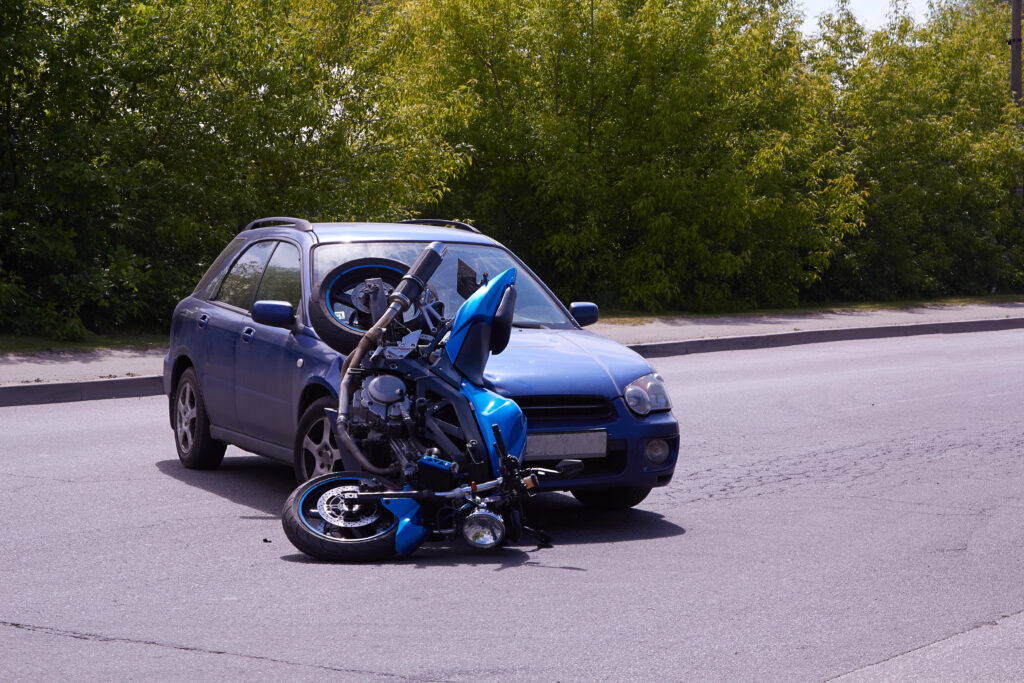
Can a Motorcycle Passenger Be Found Partly at Fault for an Accident?
A motorcycle passenger may be assigned comparative fault in appropriate circumstances, but the negligence of the motorcycle operator is not automatically imputed to the passenger merely because they were riding together. The passenger generally does not control steering, braking, or acceleration. However, the passenger’s own conduct may become relevant if it contributed to the collision or injuries. For example, evidence that a passenger physically interfered with the motorcycle’s operation may raise different issues from a passenger who simply remained seated during the ride. Allegations concerning protective equipment or knowingly accepting dangerous circumstances may require separate legal analysis. Under New York’s applicable comparative-fault principles, legally established culpable conduct may reduce recoverable damages. An attorney should distinguish the operator’s negligence from the passenger’s independent actions and challenge unsupported attempts to shift responsibility.
Can a Motorcycle Passenger Recover Compensation if Both Drivers Were at Fault?
Yes. A motorcycle passenger may pursue compensation when both the motorcycle operator and another driver negligently contributed to the collision. For example, a car driver may fail to yield while the motorcycle operator approaches at an excessive speed. The passenger may have claims against both drivers, and the evidence may establish different percentages of responsibility. However, the allocation of fault does not necessarily mean that each defendant is responsible for precisely that percentage of every category of damages. New York’s rules concerning joint liability, contribution, and limitations on certain noneconomic damages can affect the ultimate recovery. An attorney should investigate all responsible parties and their insurance coverage rather than relying on an insurer’s initial allocation of fault. The passenger’s damages should be documented independently, including medical expenses, lost earnings, pain and suffering, and future treatment needs.
What if the Motorcycle Driver Has No Insurance?
An uninsured motorcycle operator can create substantial difficulties for an injured passenger seeking compensation. The passenger may have a negligence claim against the operator, but obtaining payment may depend on the operator’s available assets or other legally applicable coverage. If another insured driver contributed to the collision, that driver’s liability insurance may provide a potential source of recovery. The passenger may also qualify for uninsured motorist benefits under another applicable policy, depending on the policy language, insured-person definitions, and statutory requirements. However, coverage should not be assumed simply because the passenger has automobile insurance through a separate vehicle or household member. An attorney should obtain the relevant policies, determine whether the motorcycle was insured, and investigate all other potentially responsible parties. The absence of insurance does not eliminate negligence liability, but it may significantly affect the practical ability to collect compensation.
Does Uninsured Motorist Coverage Protect Motorcycle Passengers?
Uninsured motorist coverage may protect an eligible motorcycle passenger when the accident was caused by an uninsured or qualifying unidentified motorist. The availability of benefits depends on the motorcycle policy, the passenger’s insured status, other potentially applicable policies, and the circumstances of the collision. In a hit-and-run case involving an unidentified driver, physical contact, reporting, and notice requirements may be important. The insurer may dispute whether the unidentified vehicle caused the accident or whether the passenger qualifies for coverage. An attorney should review the complete policy and applicable endorsements rather than assuming that every passenger automatically receives the same benefits. Uninsured motorist coverage generally addresses qualifying bodily injury damages and should not be confused with ordinary No-Fault medical payments. The available limits may be particularly important when the passenger suffers severe or permanent injuries.
Can a Motorcycle Passenger Make an Underinsured Motorist Claim?
A motorcycle passenger may qualify for supplementary uninsured/underinsured motorist benefits when an at-fault driver’s bodily injury liability coverage is insufficient and the passenger is insured under an applicable SUM policy. The availability of benefits depends on the policy, statutory requirements, applicable limits, and the relationship between the underlying liability coverage and SUM coverage. The passenger should not assume that every automobile or motorcycle policy provides additional underinsured motorist benefits or that all policies can be combined. New York SUM coverage contains specific conditions governing notice, consent to settlement, offsets, and claim procedures. An attorney should examine the policies before resolving the underlying liability claim because an improperly handled settlement may affect potential SUM rights. In serious motorcycle passenger cases, investigating additional coverage may be essential when the injuries exceed the negligent driver’s primary insurance limits.
Can a Motorcycle Passenger Recover Compensation From the Motorcycle Owner?
A motorcycle owner may be legally responsible for a negligent operator’s conduct under New York Vehicle and Traffic Law § 388 when the statutory requirements for owner liability are satisfied. This can be important when the person driving the motorcycle borrowed it from a friend, family member, or another owner. The owner’s liability generally depends on qualifying ownership and permissive operation, subject to applicable exceptions and defenses. However, the owner is not automatically responsible for every accident involving the motorcycle. The operator’s negligence must be established, and the statutory requirements must apply. An attorney should investigate registration, ownership, permission, insurance coverage, and the non-economic. The owner and operator may be insured under the same policy, and the existence of multiple defendants does not necessarily create separate policy limits.
Can a Motorcycle Passenger Sue a Rideshare or Delivery Driver Who Caused the Accident?
Yes. A motorcycle passenger injured by a negligent rideshare or delivery driver may pursue compensation from legally responsible parties. A rideshare driver may cause a collision by making an unsafe turn, stopping abruptly, changing lanes without checking, or failing to yield. A delivery driver may cause similar hazards while operating a car, van, or truck. The driver’s employer, vehicle owner, or commercial insurer may also be relevant, depending on the legal relationship and applicable coverage. Rideshare insurance can depend on the driver’s status and the vehicle’s licensing classification, while delivery company liability may depend on employment and other facts. An attorney should investigate trip records, dispatch information, vehicle ownership, commercial insurance, and the driver’s conduct. The passenger’s injuries and damages must be documented independently from any claim pursued by the motorcycle operator.
What if a Road Defect Caused the Motorcycle Passenger’s Injuries?
A motorcycle passenger injured because of a dangerous roadway condition may have a claim against a legally responsible municipality, contractor, property owner, or other party when the applicable requirements are satisfied. Road hazards may include potholes, uneven pavement, defective utility covers, loose construction materials, or improperly maintained roadway surfaces. However, claims against New York City for roadway defects frequently require proof of prior written notice under Administrative Code § 7-201(c)(2), unless a recognized exception applies. A contractor that affirmatively created a dangerous condition through negligent work may face liability under different principles. Municipal claims may also require a Notice of Claim within 90 days and compliance with shortened filing deadlines. An attorney should promptly obtain photographs, identify the precise defect, investigate prior written notice and repair history, and determine whether construction activity contributed to the condition.
Can a Motorcycle Passenger Sue if a Defective Motorcycle Part Caused the Accident?
Yes. A motorcycle passenger injured because of a defective motorcycle component may have a product liability claim when the evidence supports a legally recognized defect and establishes causation. Potential defects may involve brakes, tires, steering components, suspension systems, or other safety-related equipment. Depending on the circumstances, claims may involve the manufacturer, distributor, seller, or another responsible party. However, a mechanical failure does not automatically establish that the product was defective when sold or that a manufacturer is liable. The investigation must distinguish a manufacturing or design defect from improper maintenance, wear, modification, or negligent repair. An attorney should preserve the motorcycle and relevant components before repairs or disposal. Maintenance records, recall information, expert inspections, and accident reconstruction may help establish whether a defect contributed to the collision and the passenger’s injuries.
Can a Motorcycle Passenger Sue After an Accident Involving a Rental Motorcycle?
A motorcycle passenger injured while riding on a rented motorcycle may have claims against a negligent operator or another responsible driver. The rental arrangement may also raise questions concerning vehicle ownership, insurance coverage, maintenance, and the rental company’s legal duties. However, a rental company is not automatically liable merely because it owns the motorcycle. Federal law, including the Graves Amendment, may limit certain vicarious liability claims against qualifying rental and leasing companies, while claims based on the company’s own negligence may require separate analysis. The rental contract and applicable insurance policies should be reviewed. An attorney should investigate whether the motorcycle was properly maintained, whether the operator was authorized to use it, and whether another driver caused the collision. The passenger’s claim must be evaluated according to the specific facts rather than the rental status alone.
How Much Compensation Can an Injured Motorcycle Passenger Recover?
The value of a motorcycle passenger injury claim depends on the severity of the injuries, medical expenses, lost earnings, future treatment needs, permanent limitations, pain and suffering, liability, and available insurance coverage. A passenger who suffers a fracture requiring surgery may have substantial medical expenses and lost wages, while a passenger with a traumatic brain injury or spinal cord injury may require lifelong care. The passenger may also suffer disfigurement, emotional consequences associated with the injuries, or permanent restrictions affecting daily activities. There is no universal settlement amount for motorcycle passenger cases. An attorney should evaluate the medical records, prognosis, financial losses, and legally responsible parties before estimating compensation. Insurance policy limits and the ability to collect from responsible defendants may affect the practical recovery, particularly in catastrophic injury cases.
How Long Does a Motorcycle Passenger Have to File a Lawsuit in New York?
Most negligence-based motorcycle passenger personal injury lawsuits against private defendants in New York must be commenced within three years under CPLR § 214(5). However, shorter deadlines may apply when the accident involves New York City, a public transportation authority, or another governmental entity. Certain municipal claims require a Notice of Claim within 90 days and compliance with a shortened lawsuit deadline. Wrongful death actions generally must be commenced within two years of death, subject to applicable statutory requirements and exceptions. Uninsured and underinsured motorist claims may involve separate policy notice and procedural requirements. The passenger should not assume that the ordinary three-year period applies to every possible claim. Prompt investigation is important because surveillance footage may be overwritten, witnesses may become unavailable, and vehicle evidence may be altered or destroyed.
Can Families File a Wrongful Death Claim After a Fatal Motorcycle Passenger Accident?
Yes. When a motorcycle passenger dies because of another person’s negligence, the appropriate personal representative may pursue a wrongful death claim under New York law. The claim may involve the motorcycle operator, another negligent driver, or additional responsible parties, depending on the accident evidence. New York wrongful death damages generally concern legally recognized pecuniary losses suffered by qualifying distributees, while a separate survival claim may address certain damages sustained by the deceased passenger before death. The applicable insurance coverage and the relationship among the parties may affect the available recovery. Wrongful death actions generally must be commenced within two years of death, subject to statutory exceptions and requirements. Claims involving governmental defendants may require additional notice procedures. Families should seek prompt legal guidance to preserve evidence, identify responsible parties, and protect the applicable deadlines.
What Evidence Should a Motorcycle Passenger Preserve After an Accident?
An injured motorcycle passenger should preserve information that may help establish how the accident occurred and the extent of the injuries. Important evidence may include photographs of the vehicles, roadway, traffic signals, debris, damaged helmets, protective clothing, and visible injuries. Witness names, contact information, police report details, and nearby surveillance camera locations should be recorded when possible. The passenger should retain medical records, diagnostic imaging reports, hospital discharge instructions, insurance correspondence, and documentation of lost earnings. The motorcycle and damaged equipment should be preserved when their condition may assist accident reconstruction. The passenger should also document how the injuries affect daily activities and employment. An attorney can investigate additional evidence, including surveillance footage, vehicle records, insurance policies, and witness testimony. Early preservation may be especially important when the drivers dispute responsibility.
What if the Motorcycle Passenger and Driver Give Different Accounts of the Accident?
Different accounts from the passenger and motorcycle operator do not automatically prevent the passenger from pursuing a valid injury claim. The passenger may have observed events differently because of their seating position, limited visibility, or the sudden nature of the collision. The operator may also have information concerning braking, steering, speed, or other actions that the passenger could not directly perceive. An attorney should investigate the available objective evidence rather than assuming that one account must be accepted in full. Surveillance footage, witness testimony, vehicle damage, traffic controls, and accident reconstruction may help resolve disputed facts. The passenger should describe only what they actually observed and avoid speculation about vehicle speed or movements. Legal claims should be based on evidence establishing which parties were negligent and how their conduct caused the injuries.
Can a Motorcycle Passenger Have a Different Attorney Than the Motorcycle Driver?
Yes. A motorcycle passenger may retain an attorney separate from the motorcycle operator, and independent representation may be particularly important when the operator’s negligence is a potential cause of the accident. The passenger and operator may have different legal interests, even if they are friends, spouses, or family members. For example, the operator may argue that another driver was solely responsible, while the passenger’s claim may require investigating negligence by both drivers. A lawyer representing both individuals could face a conflict of interest depending on the circumstances. Separate counsel can evaluate the passenger’s claims and available insurance without being constrained by the operator’s competing position. An attorney should explain potential conflicts, identify responsible parties, and determine whether independent representation is appropriate before representing multiple injured people arising from the same collision.
How Can a New York City Motorcycle Accident Lawyer Help an Injured Passenger?
A New York City motorcycle accident lawyer can investigate the collision, identify all potentially responsible parties, examine available insurance coverage, and pursue compensation for the passenger’s injuries and financial losses. The attorney may obtain surveillance footage, interview witnesses, review police reports, analyze vehicle damage, and work with appropriate experts when liability is disputed. Because motorcycle passengers generally do not receive ordinary No-Fault benefits, counsel should also investigate medical payment options, liability insurance, and potential uninsured or underinsured motorist coverage. The attorney can document medical expenses, lost earnings, future treatment needs, pain and suffering, and permanent disability. When multiple drivers contributed to the accident, counsel can evaluate the applicable fault allocation and liability rules. Early legal representation may help preserve evidence and prevent important insurance or statutory deadlines from being missed.
Why Choose Greenstein & Pittari, LLP?
Motorcycle passengers often suffer serious injuries despite having no control over the events that caused the accident. Insurance companies may attempt to blame the motorcycle operator, dispute the passenger’s injuries, or argue that available coverage is insufficient. When the motorcycle operator is a friend, spouse, or family member, the passenger may also feel uncomfortable pursuing a claim. At Greenstein & Pittari, LLP, our attorneys understand these concerns and work to explain the legal options clearly while investigating every potentially responsible party and available source of compensation.
Our firm brings decades of experience representing injured New Yorkers in serious personal injury cases. We thoroughly investigate motorcycle collisions, preserve available surveillance footage, obtain witness statements, review police reports, and evaluate the medical consequences of serious injuries. When necessary, we work with qualified experts to address disputed liability, permanent disability, future medical needs, and lost earning capacity. Our attorneys prepare cases with an emphasis on detailed evidence, aggressive negotiation, and trial readiness when insurance companies refuse to resolve claims fairly.
We also believe that injured clients deserve responsive communication, personal attention, and clear explanations of their legal options. Greenstein & Pittari, LLP serves motorcycle accident victims throughout Manhattan, Brooklyn, Queens, the Bronx, Staten Island, Long Island, and Westchester County. Our English- and Spanish-speaking staff helps make legal representation accessible, and clients can communicate with our team by phone, text, email, or through a secure client portal. We are committed to treating clients with respect, providing proactive updates, and making sure they understand the progress of their cases.
If you were injured while riding as a passenger on a motorcycle, do not assume that you have no claim because the motorcycle operator was a friend, family member, or loved one. Our attorneys can investigate the collision, determine who may be responsible, review available insurance coverage, and explain your right to pursue compensation.
Call Greenstein & Pittari, LLP at 1-800-VICTIM2 (1-800-842-8462) for a free consultation, available 24/7.
Our Fee Guarantee: No Fee Unless Successful.
Don’t Be a Victim Twice.