


Legionnaires’ Disease in Apartment Buildings: Can You Sue a Landlord or Building Owner in New York?
Holding Landlords and Building Owners Accountable for Preventable Legionnaires’ Disease
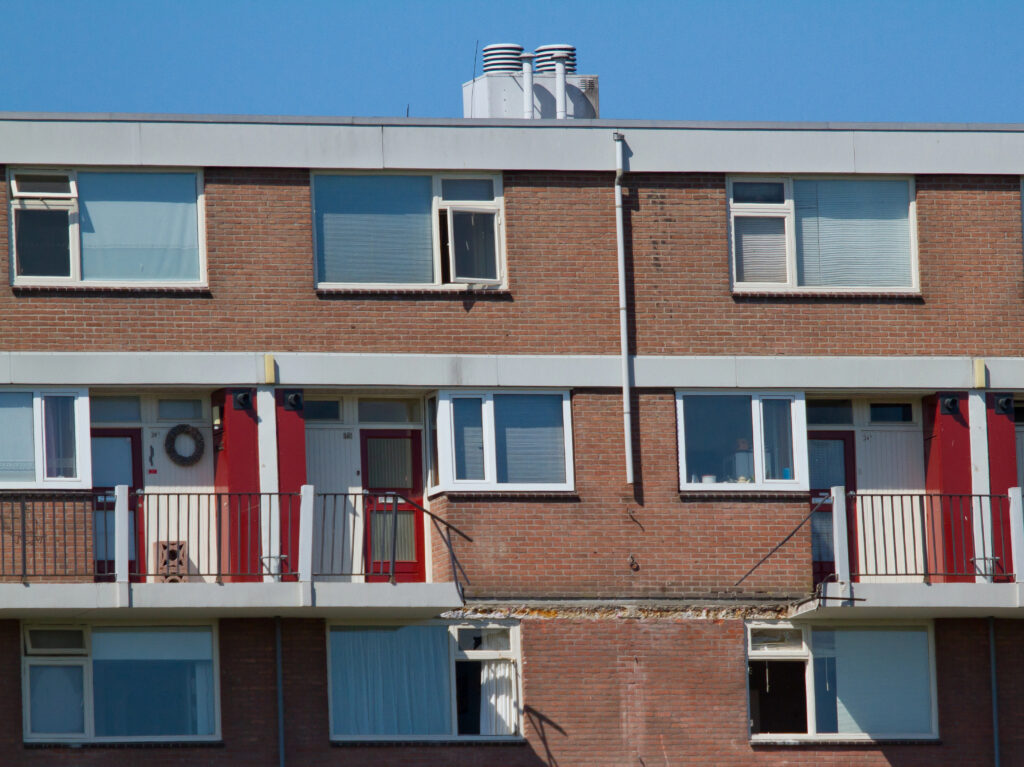
Apartment residents have the right to expect a safe place to live. While many tenants are aware of hazards such as mold, lead paint, or unsafe stairways, few realize that an improperly maintained building water system can expose residents to Legionnaires’ disease, a severe and potentially life-threatening form of bacterial pneumonia. Large apartment buildings often rely on extensive plumbing systems, hot water storage tanks, rooftop cooling towers, and other complex water infrastructure. When these systems are not properly inspected, cleaned, and maintained, Legionella bacteria can grow and spread through microscopic water droplets released from showers, faucets, cooling towers, and other water sources. Older adults and individuals with weakened immune systems face an especially high risk of severe illness.
If you or a loved one developed Legionnaires’ disease because of negligent maintenance of an apartment building’s water system, Greenstein & Pittari, LLP is prepared to investigate your claim, preserve critical evidence, and pursue every responsible party. Call 1-800-VICTIM2 (1-800-842-8462) for a free consultation. There is no attorney’s fee unless we recover compensation for you.

Frequently Asked Questions
Can you get Legionnaires’ disease from an apartment building?
Yes. Apartment buildings contain numerous water systems capable of supporting Legionella growth when they are not properly maintained. Potential sources include showers, faucets, kitchen sinks, plumbing systems, hot water storage tanks, rooftop cooling towers, fitness center showers, laundry facilities, decorative fountains, and common area plumbing. People typically become infected after inhaling contaminated water droplets rather than by drinking contaminated water.
Why are apartment buildings vulnerable to Legionella growth?
Many residential buildings have extensive plumbing systems that can create conditions favorable to Legionella bacteria if they are not properly maintained. Aging pipes, water stagnation, warm water temperatures, vacant apartments, poor circulation, infrequently used fixtures, corrosion, biofilm, and scale buildup all increase the risk of bacterial growth. Routine maintenance and comprehensive water management programs are essential to reducing the likelihood of contamination.
Who is most at risk for severe illness?
Although anyone can contract Legionnaires’ disease, adults over 50, smokers, people with chronic lung disease, diabetes, kidney disease, cancer, weakened immune systems, organ transplants, or those taking immunosuppressive medications are generally at the greatest risk of developing severe complications. Anyone experiencing pneumonia-like symptoms after possible exposure should seek prompt medical care.
Can you sue your landlord or building owner?
Possibly. A landlord, property owner, or management company may be legally responsible if negligent maintenance of the building’s water system contributed to your illness. A successful claim generally requires evidence that the defendant owed a duty of care, failed to reasonably maintain the building’s water system, that Legionella bacteria developed because of negligent maintenance, that you were exposed in the building, and that the exposure caused your injuries. Depending on the circumstances, liability may also extend to property management companies, maintenance contractors, plumbing contractors, engineering consultants, water treatment companies, and cooling tower maintenance providers.
What evidence is important in an apartment building case?
Legionnaires’ disease litigation often depends on technical records that must be preserved quickly. Important evidence may include maintenance logs, water management plans, plumbing records, cooling tower inspection reports, water treatment records, Legionella testing, environmental sampling, Department of Health investigations, resident complaints, repair records, contractor agreements, and internal maintenance communications. Our attorneys act quickly to preserve this evidence before repairs or remediation efforts change the conditions that existed when the exposure occurred.
What compensation may be available?
Victims may be entitled to recover compensation for emergency medical treatment, hospitalization, respiratory therapy, rehabilitation, future medical care, lost wages, diminished earning capacity, lost employment benefits, lost business income, pain and suffering, emotional distress, permanent respiratory impairment, and reduced quality of life. If Legionnaires’ disease results in the death of a loved one, surviving family members may also have the right to pursue a wrongful death claim under New York law.
What if multiple residents become sick?
When several residents develop Legionnaires’ disease associated with the same apartment building, public health officials may investigate whether a common environmental source exists. These investigations may include environmental testing, water system inspections, maintenance record reviews, and corrective measures. Although a Department of Health investigation does not automatically establish civil liability, its findings can become important evidence in a personal injury lawsuit.
How much does it cost to hire Greenstein & Pittari, LLP?
Greenstein & Pittari handles Legionnaires’ disease cases on a contingency fee basis. There are no upfront attorney’s fees, and you owe nothing unless we successfully recover compensation on your behalf. We also offer free consultations so you can understand your legal rights without financial risk.
Why Choose Greenstein & Pittari, LLP?
Apartment building Legionnaires’ disease litigation requires experience with infectious disease medicine, environmental engineering, building operations, and New York premises liability law. Greenstein & Pittari, LLP works with leading medical and engineering experts to identify the source of exposure, preserve critical evidence, and hold negligent landlords, property owners, and management companies accountable. Whether your apartment is located in Manhattan, Brooklyn, Queens, the Bronx, Staten Island, Long Island, Westchester County, or elsewhere in New York, we provide free consultations, bilingual legal services, personalized representation, and trial-ready advocacy focused exclusively on personal injury litigation.
If you or someone you love contracted Legionnaires’ disease after exposure in an apartment building, call 1-800-VICTIM2 (1-800-842-8462) today for a free consultation.
Don’t Be a Victim Twice.