


NYC Bicycle Accidents Caused by Potholes, Road Defects and Dangerous Street Conditions
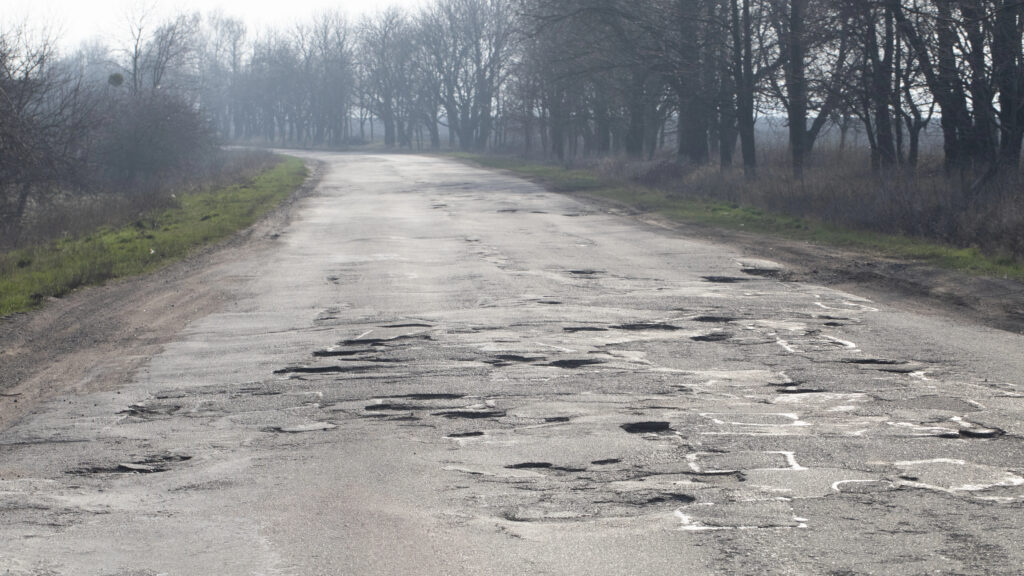
Potholes, raised utility covers, uneven pavement, or unsafe construction areas can lead to serious bicycle accidents in New York City. Cyclists are more exposed than drivers, so a road defect can easily make them lose control, hit something, or fall into traffic. Even a small bump or crack can cause major injuries if a bike tire gets caught or the rider has to swerve suddenly.
If you were hurt in a bicycle accident because of dangerous road conditions, you might have a legal case against New York City, a government agency, a construction company, a utility company, or another party. These cases can be complicated because there are special notice rules, government immunity defenses, and shorter deadlines for filing claims.
At Greenstein & Pittari, LLP, our bicycle accident lawyers look into dangerous road conditions across Manhattan, Brooklyn, Queens, the Bronx, and Staten Island. We investigate what caused the accident, determine who was responsible for maintaining the area, and assess whether there is enough evidence for a negligence claim.
Call 1-800-VICTIM2 (1-800-842-8462) for a free consultation any time, day or night. You only pay if we win your case.

Can You Sue New York City for a Bicycle Accident Caused by a Pothole?
Yes, but to win your case, you need more than proof that a pothole existed and caused your accident. New York City Administrative Code § 7-201(c)(2) usually requires that the City got written notice about the dangerous street condition before it can be held responsible, unless a legal exception applies. This rule can block claims even if the pothole was big, dangerous, or there for a long time. The injured cyclist also has to show the defect was serious enough, caused the accident, and that all legal requirements for negligence are met. An NYC bicycle accident lawyer should review written notice records, road maintenance history, construction work, and the exact accident location before deciding whether a claim against the City is possible.
Why Are Potholes and Road Defects Especially Dangerous for Bicyclists?
Bicycles are more at risk from pavement problems because their tires are narrow, they are light, and riders must maintain balance. A pothole that barely affects a car can catch a bike tire, bend a wheel, or throw the rider off. Uneven pavement, raised utility covers, loose gravel, and dips in the road can also make cyclists lose control or swerve into traffic. The risk is even higher if water, shadows, parked cars, or poor lighting hide the problem. To make a claim, you need proof that the road defect caused the accident, like photos, measurements, witness statements, and medical records.
What Roadway Defects Commonly Cause Bicycle Accidents in NYC?
There are many types of dangerous road conditions, and the exact problem often decides who is legally responsible. Common hazards include potholes, cracked pavement, raised utility covers, sunken maintenance holes, uneven asphalt, badly fixed utility trenches, loose gravel, construction debris, steel plates, and sudden changes in pavement. Bike lane problems can be even more dangerous because cyclists have less space to avoid obstacles while staying away from cars. Some crashes happen when a rider hits a defect, while others happen when the cyclist tries to avoid it and ends up hitting a car. Our lawyers review the defect’s size, location, visibility, nearby road conditions, and repair history to determine whether there is a valid legal claim.
What Is New York City’s Prior Written Notice Requirement?
New York City’s prior written notice rule is a major legal hurdle in many road defect cases. According to Administrative Code § 7-201(c)(2), the City usually can’t be held responsible for injuries from certain street problems unless it got the right kind of written notice before the accident. This law gives the City a chance to fix dangerous conditions before being held liable. But the rule doesn’t apply the same way to every case, and there are some exceptions. A lawyer needs to check whether there was proper written notice, whether it described the right defect, and whether any exception applies. Just showing that the road was in bad shape is usually not enough.
What Qualifies as Prior Written Notice of a Dangerous Roadway Condition?
Whether prior written notice counts depends on what Administrative Code § 7-201(c)(2) says and what evidence there is about the defect. The law lists certain types of written notice, like notice given to specific City officials or agencies. The notice must clearly describe the dangerous condition that caused the accident. A general complaint about the street, a different problem, or just saying the road needed work might not be enough. Disputes about notice can also involve maps, inspection reports, and other records, but their importance depends on the law and court decisions. A lawyer should look into the exact spot, type, and history of the defect instead of assuming any complaint or maintenance record proves notice.
Does a 311 Complaint Prove That New York City Had Notice of a Pothole?
Not always. A 311 complaint can help show the history of a road problem, but it doesn’t automatically meet New York City’s legal requirement for prior written notice. The key question is whether the City got notice in the right way and from the right person, and if the notice clearly described the dangerous condition that caused the accident. Complaints about a different pothole or another road issue might not count. Still, records of 311 complaints, inspections, and repairs can help a lawyer look into the problem’s history and find more evidence. Cyclists shouldn’t assume that just reporting a pothole means they have a strong case against the City.
Can New York City Be Liable Without Prior Written Notice?
Sometimes, but only in special cases. New York courts allow a few exceptions to the prior written notice rule, such as when the city itself caused the dangerous condition through negligence or when a special use applies. The negligence exception usually requires more than just a failure to fix the road or normal wear and tear. The city’s work must have directly caused the problem, based on the facts and the law. These exceptions are rare and shouldn’t be expected. A lawyer needs to determine who did the road work, what was done, when the problem started, and whether the evidence fits an exception.
Can You Sue a Construction Contractor for a Bicycle Accident Caused by Roadwork?
Yes. A construction contractor can be held responsible if careless road work creates or leaves a dangerous condition that leads to a bicycle accident. This could include poorly repaired pavement, loose steel plates, leftover construction debris, unprotected holes, or unsafe transitions between new and old road surfaces. Whether a contractor is liable depends on what work they did, their contracts, their actions, and the legal rules about their duties to others. Just working on the street before doesn’t make them responsible. A lawyer should review permits, work orders, contracts, inspection reports, and project records to determine whether the contractor caused the hazard or had a duty to fix it. Finding the right contractor is especially important if the City’s notice rules limit your claim.
Can a Utility Company Be Responsible for a Bicycle Accident?
A utility company or its contractor can be held responsible if careless utility work creates a dangerous road condition. Bike accidents linked to utility work might involve sunken trenches, badly fixed pavement, raised utility covers, loose fill, or unsafe digging areas. The investigation needs to determine which company did the work, whether they created or maintained the problem, and whether the law allows liability. Just having a utility cover doesn’t mean the company is responsible for the area around it. Permits, digging records, repair records, and inspection reports can help find out who is at fault. A lawyer should also check if the defect were on a public street, private property, or somewhere else with different maintenance rules. It’s important to investigate quickly because repairs can change or erase the evidence.
Can You Sue After a Bicycle Accident Caused by a Raised Utility Cover?
A raised utility cover, maintenance hole, or utility structure can lead to a bicycle accident claim if it creates a hazard and a responsible party caused it or failed to fix it under circumstances that establish liability. A bicycle tire might hit the raised edge, causing the rider to lose control or fall into traffic. Not every height difference is considered a legal defect. Courts look at the size, appearance, location, surrounding conditions, and details of the accident. Responsibility could fall on a government agency, utility company, contractor, or another party, depending on who owns and maintains the structure. Our attorneys inspect the utility structure, take measurements and photos, review permit records, and determine whether the problem was caused by poor installation, repair, or roadwork.
Can You Sue After a Bicycle Accident Caused by a Steel Roadway Plate?
Yes, you can sue if a poorly installed or maintained roadway plate creates a dangerous condition and causes a bicycle accident. Steel plates are often used to cover excavations and utility work, but they can be dangerous if they aren’t secured, are uneven with the pavement, aren’t clearly marked, or are slippery. A cyclist might lose traction, hit a raised edge, or have to swerve into traffic to avoid the plate. The responsible party could be a contractor, utility company, or another group involved in the roadwork. To prove liability, you need to show there was a duty, negligence, and that this caused the accident. Photos, measurements, permits, work schedules, and witness statements can help. An attorney should check if the plate were installed and maintained as required.
Can You Sue After a Bicycle Accident Caused by Loose Gravel or Construction Debris?
A bicycle accident caused by loose gravel, sand, construction debris, or other material on the road may lead to a negligence claim if a responsible party created or failed to fix the hazard under circumstances that create liability. Loose material can make it harder for bike tires to grip the road, especially during turns, braking, or in narrow bike lanes. The investigation should find out where the material came from, how long it was there, and whether a contractor, property owner, government agency, or someone else had a duty to address it. A temporary spill from an unknown vehicle is different legally from debris left by a known contractor. Photos, witness statements, construction records, and surveillance video can help show where the material came from and if the accident could have been prevented.
Can You Sue After a Bicycle Accident Caused by a Dangerous Bike Lane?
A dangerous bike lane can support a personal injury claim if a responsible party’s negligence created a hazardous condition. Hazards in bike lanes can include potholes, uneven pavement, construction debris, misplaced barriers, raised utility covers, or poorly repaired road surfaces. But just because a bike lane exists does not mean New York City is automatically liable for every accident there. Rules about prior written notice, government immunity, and other legal defenses may apply. The investigation should separate physical defects in the road from planning or design issues. Our attorneys review the bike lane’s condition, maintenance records, construction activity, and other evidence to determine whether a valid claim exists.
Can You Sue if a Blocked Bicycle Lane Forced You Into Traffic?
Yes, it’s possible. If you were hurt after leaving a blocked bike lane, you might have a negligence claim if someone else’s actions created a hazard and caused the crash. A delivery truck, double-parked car, construction barrier, or other blockage could force you into traffic. But just because the lane was blocked does not mean the person responsible for the blockage caused the accident. The investigation should examine the obstruction, how the cyclist responded, the surrounding traffic, and what any drivers involved did. A driver who hits the cyclist could also be at fault. Our attorneys review the events, traffic laws, photos, and any video to see if one or more parties are responsible.
Can You Sue if Poor Drainage or Standing Water Caused Your Bicycle Accident?
A bicycle accident caused by standing water or poor drainage can lead to a claim if you can prove a dangerous condition, a responsible party, and a link to the accident. Standing water can hide potholes, uneven pavement, or other problems, making them hard for cyclists to see and avoid. Water can also make the road slippery or cause loss of control. But rain or temporary water buildup does not automatically mean someone was negligent. Claims against government agencies may require prior written notice, proof of maintenance duties, and may be subject to other legal limits. An attorney should determine whether a road defect, poor drainage, poor construction, or another clear problem caused the accident. Weather records, photos, witness statements, and maintenance records can be important.
Can You Sue if Poor Street Lighting Contributed to Your Bicycle Accident?
A bicycle accident caused by poor street lighting can raise questions about negligence, but proving liability is often hard. The investigation needs to determine whether someone had a duty to provide lighting, whether they failed to meet that duty, and whether the lighting problem helped cause the accident. Government immunity, notice rules, and court decisions may limit claims about public street lighting. If a cyclist can’t see a pothole at night, that alone does not mean the City is responsible for bad lighting. An attorney should review the road defect, lighting, visibility, maintenance records, and any signs of malfunction. Depending on where the accident happened, contractors or property owners might also need to be investigated.
Can You Sue After a Bicycle Accident Caused by Unsafe Roadway Design?
Claims about unsafe roadway design need careful legal review. A cyclist might argue that a dangerous intersection, sudden end to a bike lane, poor visibility, or another road feature caused the accident. But claims that question government planning or traffic engineering may be protected by government immunity if certain rules are met. Just because something went wrong does not mean the design was negligent. The investigation should separate mistakes in building or maintaining the road from planning decisions that are protected by law. An attorney may look at engineering reports, design records, traffic plans, past incidents, and expert opinions. Whether you have a claim depends on the defect, who is responsible, the law, and proof of what caused the accident.
What if the Roadway Defect Was Repaired After Your Bicycle Accident?
Fixing the road after a bicycle accident does not automatically mean the responsible party was negligent before the accident. Repairs can happen for many reasons, and evidence of repairs may not always be allowed to prove negligence. Still, repair records can sometimes be used for other legal reasons, depending on the case. More importantly, repairs might remove the defect before it can be photographed or checked by an expert. Injured cyclists should keep any photos, videos, witness details, and descriptions of what the road was like before repairs. An attorney can review maintenance records, repair dates, construction documents, and other evidence to determine what the road was like when the accident happened.
How Do You Prove That a Pothole Caused Your Bicycle Accident?
To prove causation, you need evidence that links the specific pothole or road defect to the cyclist’s loss of control and injuries. Photos showing the defect’s size and location are helpful, but you should also have witness statements, bike damage, accident reports, medical records, and the rider’s own account. Where the bike was, the direction it was going, lighting, weather, and traffic all matter too. The other side might argue the cyclist fell for another reason or missed an obvious hazard. Sometimes, an attorney will bring in an accident reconstruction or engineering expert to review the evidence. To win a claim, you need to show more than just a defect near the accident scene.
What Evidence Is Important in an NYC Bicycle Road Defect Case?
Evidence in roadway defect cases can disappear quickly, so it is important to gather materials like photos and measurements of the defect, the exact accident location, nearby landmarks, witness details, bicycle damage, surveillance footage, and medical records. If a government or contractor might be responsible, an attorney will also look at written notices, maintenance records, inspection reports, work permits, excavation records, construction contracts, and repair histories. The exact location matters because records about a different defect may not prove liability. Cyclists should keep their damaged bicycles and protective gear if possible. Our attorneys review the history of the condition, identify who may be responsible, and determine whether the evidence shows negligence, causation, and damages that can be recovered by law.
Why Is the Exact Location of the Roadway Defect So Important?
The exact spot of a roadway defect can make or break a claim. For example, a pothole in a bike lane might be close to another defect or a construction area, but knowing the difference is key to finding out who is responsible or proving prior notice. An attorney should record the street, cross streets, direction of travel, traffic lane, distance from landmarks, and how the defect relates to nearby structures. Photos from different angles and measurements can help show the location. In city cases, notice records must match the specific condition involved in the accident. If the description is wrong or incomplete, it can make the investigation, Notice of Claim, and later legal steps more difficult.
How Long Do You Have to File a Claim Against New York City?
Claims against New York City have special deadlines that are much shorter than those for most private negligence cases. Under General Municipal Law § 50-e, you usually have to serve a Notice of Claim within 90 days after the claim arises. For many city personal injury cases, General Municipal Law § 50-i also requires you to start the lawsuit within one year and 90 days, depending on the applicable rules and exceptions. Other government bodies may have different rules, and related claims might have their own deadlines. It is important to identify the right defendant quickly because serving the wrong one can hurt your claim. An attorney should look into the accident and the laws right away, instead of assuming the usual three-year period applies.
What Happens if You Miss the 90-Day Notice of Claim Deadline?
If you miss the 90-day Notice of Claim deadline, it can seriously hurt your bicycle accident claim against New York City. Sometimes, a court may allow a late Notice of Claim under General Municipal Law § 50-e(5). The court will consider whether the city knew the key facts within the deadline or soon after, why there was a delay, and whether the delay hurt the city’s case. But getting permission is up to the court and is not guaranteed. The court’s power to allow late notice also depends on other legal time limits. You should not assume a late notice will be accepted just because your injuries are serious. It is important to get legal advice quickly.
Can You Recover Compensation if You Were Partly at Fault for the Bicycle Accident?
Yes. Under New York’s comparative negligence law, CPLR § 1411, if an injured cyclist is partly at fault, their damages are usually reduced by their share of fault instead of losing the claim completely. For example, a cyclist might hit a pothole while going too fast or swerve around a defect without checking for traffic. The other side may say the cyclist’s actions helped cause the accident. But just because the cyclist fell, rode at night, or didn’t see the defect doesn’t mean they were negligent. The court or jury will look at all the facts and duties involved. Our attorneys review the defect, visibility, traffic, and rider actions to see if comparative fault applies.
Can You Sue if You Were Not Wearing a Bicycle Helmet?
Not wearing a bicycle helmet does not automatically stop a cyclist from making a roadway defect claim. In New York, helmets are usually required for riders under 14, and there may be extra rules for certain bikes or e-bikes. Most adult cyclists do not have to wear a helmet by law. Even if a helmet rule applies, whether helmet use matters depends on the situation and the injuries. The other side might argue that not wearing a helmet made a head injury worse, but that is a separate issue from whether a dangerous road caused the accident. An attorney should review the helmet law, medical records, and any claimed link between helmet use and the injury, rather than treating helmet use as an automatic defense.
What Injuries Are Common in Bicycle Accidents Caused by Road Defects?
Bicycle accidents from potholes and dangerous roads can cause serious injuries. Riders might be thrown over the handlebars, slide on the pavement, or fall into traffic. Common injuries are fractures, traumatic brain injuries, concussions, spinal injuries, torn ligaments, shoulder and knee injuries, severe road rash, and permanent scars. Some crashes can also cause internal injuries or lasting disabilities. The severity of the injury depends on how the accident happened, the rider’s speed, traffic, and other factors. Medical records, scans, surgery reports, and rehab notes can show how serious the injuries are. Our attorneys consider both the immediate and long-term effects when determining what damages can be recovered.
What Compensation Can You Recover After a Bicycle Road Defect Accident?
Compensation can cover medical bills, lost wages, reduced earning ability, pain and suffering, future treatment costs, and other damages allowed by law if liability is proven. Cyclists can also seek payment for damage to their bikes. The amount and type of damages depend on the claim, the injuries, insurance rules, and the evidence. For example, a broken wrist that needs surgery can lead to medical bills, missed work, and lasting problems, while a spinal injury might require long-term care. Claims against government bodies may have special rules and limits. Our attorneys evaluate both the medical and financial impact of the accident and pursue damages that the evidence supports.
Does No-Fault Insurance Cover Bicycle Accidents Caused by Potholes?
Regular New York No-Fault insurance usually covers injuries from using or operating a covered motor vehicle. If a cyclist falls because of a pothole and no motor vehicle is involved, they usually do not get No-Fault benefits just because the accident happened on a public street. If a motor vehicle is involved, the insurance situation may be different. When No-Fault does not apply, health insurance, disability benefits, or other coverage might help. You may also be able to file a separate negligence claim against the responsible party. Our attorneys investigate how the accident happened, the insurance policies, and who might be responsible to determine what benefits and legal claims are possible.
Can You Sue After a Bicycle Accident Caused by a Defect on Private Property?
Yes. If a bicycle accident happens because of a dangerous condition on private property, you may have a negligence claim against the property owner, operator, contractor, or another responsible party if the legal requirements are met. This could include unsafe pavement in a parking lot, private driveway, bike path, or private road. The legal process is different from claims about City streets because city notice rules usually do not apply to private property. Still, the injured cyclist must show a dangerous condition, a duty, notice or creation of the problem (if needed), and causation. An attorney should check who owns and maintains the property, any past complaints, repair records, and exactly where the accident happened.
What if the Dangerous Roadway Condition Caused a Fatal Bicycle Accident?
If a fatal bicycle accident happens because of a dangerous roadway condition and someone’s negligence, it may lead to a wrongful death claim. In New York, the personal representative of the deceased usually brings this claim on behalf of certain family members. Damages in wrongful death cases are mainly based on recognized financial losses, such as lost income and services. There may also be a separate claim for pain and suffering before death if there is evidence to support it. Claims against government entities require careful attention to special notice and filing rules, including those for wrongful death. Our attorneys investigate roadway conditions, identify responsible parties, check deadlines, and assess damages while guiding families through the legal process.
How Can a Bicycle Accident Lawyer Investigate a Dangerous Roadway Condition?
A bicycle accident lawyer can investigate the exact problem with the road, collect physical and photographic evidence, determine who is responsible, and assess whether the legal requirements for a claim are met. This investigation might include taking photos of the road, measuring the area, checking maintenance records, reviewing written notices, reviewing construction permits, utility work histories, and inspection reports, and interviewing witnesses. Sometimes, lawyers work with engineers or accident reconstruction experts to understand the condition and how it caused the accident. For cases in New York City, it’s important to pay close attention to prior written notice, exceptions, and city filing deadlines. Our attorneys also review the cyclist’s medical care, lost income, and future needs to figure out what damages can be recovered. It’s important to start investigating early because roadway conditions can change before evidence is collected.
Why Choose Greenstein & Pittari, LLP for Your NYC Bicycle Road Defect Accident Case?
Bicycle accidents caused by potholes, construction hazards, or dangerous road conditions involve more than just showing that a cyclist fell on a public street. These cases often raise complex issues about city responsibility, prior written notice, contractor duties, road maintenance, and what actually caused the accident. At Greenstein & Pittari, LLP, our New York City personal injury attorneys know how important it is to investigate the specific condition that led to the accident and determine who may be legally responsible.
We represent injured cyclists in Manhattan, Brooklyn, Queens, the Bronx, and Staten Island. With our Harlem office and other locations across New York City and nearby areas, we make legal help accessible for injured New Yorkers. Our attorneys look into accident scenes, gather records, review insurance coverage, and pursue claims against negligent parties when the evidence supports it. We prepare cases for negotiation or court when needed.
We believe injured cyclists deserve personal attention and clear updates throughout the legal process. Our staff speaks English and Spanish and helps clients from all over New York City. We keep clients informed by phone, text, email, and other means. We also handle talks with insurance companies and the other side, so our clients can focus on getting better.
We know that serious bicycle injuries can cause financial stress. With our contingency fee arrangement, injured clients can get legal help without paying any attorney’s fees upfront, as explained in the retainer agreement.
Contact an NYC Bicycle Accident Lawyer After a Pothole or Road Defect Accident
If you were hurt because of a pothole, raised utility cover, uneven pavement, construction debris, a dangerous bike lane, or another road problem, it’s important to look into your legal options right away. The condition might get fixed, evidence could be lost, and there are special deadlines if New York City or another government agency is involved.
At Greenstein & Pittari, LLP, we investigate bicycle accidents caused by dangerous road conditions and help injured cyclists determine whether they have a valid claim against the City, a contractor, a utility company, or another responsible party.
Call Greenstein & Pittari, LLP at 1-800-VICTIM2 (1-800-842-8462) for a free, confidential consultation, available 24/7.
Our Fee Guarantee: No Fee Unless Successful.
Don’t Be a Victim Twice.