


NYC Mold Exposure Lawyer
When mold starts growing in your home, it’s easy to ignore it, but this fungus represents more than a minor annoyance.
The consequences of its presence should never be underestimated, as invisible mold can cause severe health complications.
You may think that there’s nothing you can do and you have to accept what’s happening, but you do have options.
Speaking with an experienced NYC mold exposure lawyer is your best choice in this scenario and will allow you to protect your health, your rights, and your financial situation.
Understanding how to hold negligent parties accountable for your injuries is the key to success.
Paying Attention to Your Surroundings
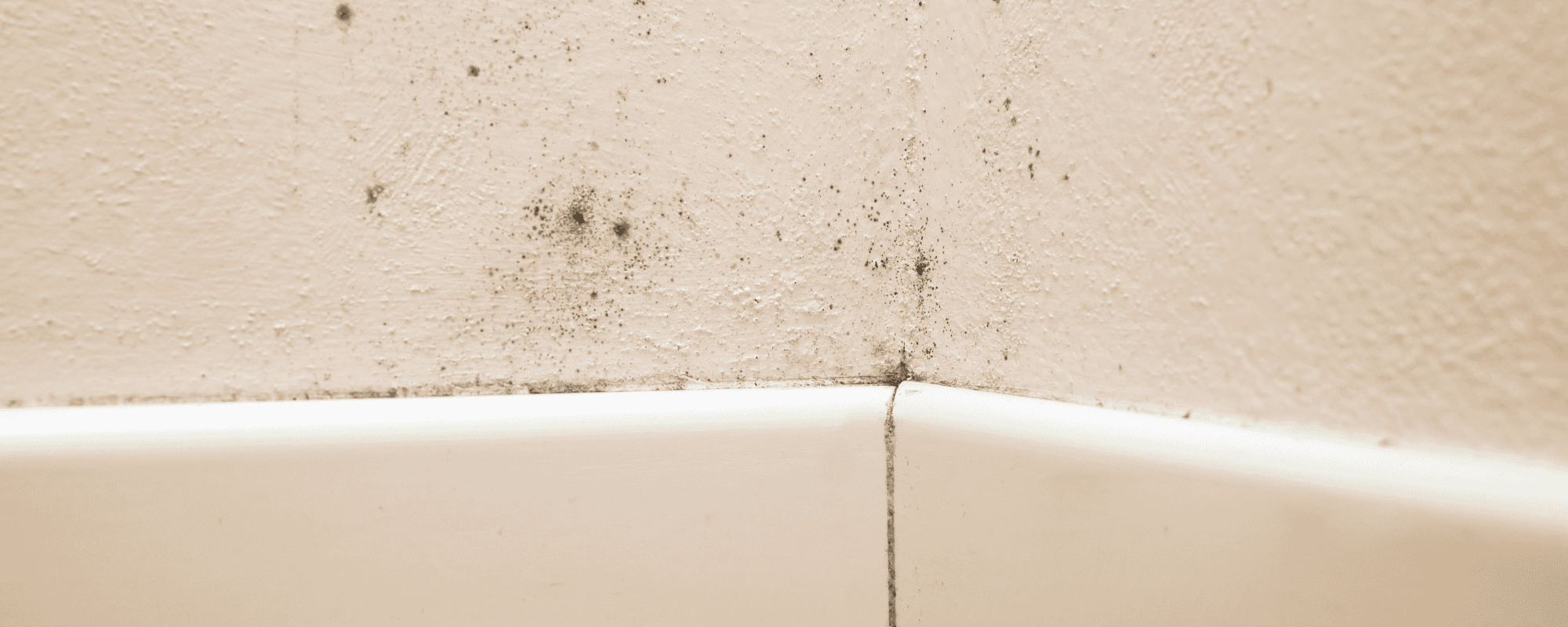
Mold grows in places with a lot of moisture. Common causes of mold growth indoors typically can be found in the following locations:
- Leaks in roofs and pipes
- Windows that weren’t installed correctly
- Damaged or improperly maintained AC units
- Damp carpets
- Wet Basement Walls
- Improper ventilation
Moisture is needed for mold to survive, and paying attention to your surroundings can help you fix this situation before potential health effects show up.
What Are the Symptoms of Toxic Mold Exposure?
The biggest mistake you could make is believing that mold is harmless. Many experts have confirmed that exposure to toxic mold can cause a variety of significant health problems that might be difficult to deal with in the long run, such as the following:
- Gastrointestinal problems
- Headaches
- Skin rashes
- Flu-like symptoms
- Chest pain
- Worsening of asthma-related symptoms
- Allergies
If you’re experiencing dizziness and other symptoms without a proper explanation, your illness is most likely a direct consequence of what’s happening in your house, and you’ll need to speak with a New York mold exposure lawyer as soon as possible if you want to find a solution.
Why You Need an Attorney

A mold exposure lawyer can help you file an effective mold exposure claim, and their invaluable help will drastically increase your chances of receiving the money you deserve.
You also need to realize that navigating through legal issues and many different laws can be extremely difficult without possessing the right knowledge, especially when you’re already stressed due to the symptoms you’re experiencing.
As the plaintiff, you’re required to prove injury and negligence. The at-fault party won’t just passively accept your version of the facts, and handling your case in an improper manner can ruin your chances of getting compensated.
Wasting time in this scenario would be unwise, as you may even lose important pieces of evidence.
Who’s at Fault?
There are many variables in toxic mold exposure cases, and anyone could have been negligent at any point, even before and after you started experiencing symptoms.
- Property sellers who failed to disclose known mold conditions before the sale
- Landlords who were aware of the problem but delayed or ignored remediation
- Employers who sent workers into mold-contaminated environments without proper protective equipment
- Healthcare providers who misdiagnosed mold-related symptoms and failed to provide appropriate treatment
What Compensation Can You Recover?
One of the most important questions you can ask before pursuing a mold exposure claim is what you stand to recover. While every case is different, victims of negligent mold exposure in New York may be entitled to compensation for:
| Type of Compensation | What It Covers |
|---|---|
| Medical Expenses | Current and future costs for treatment, testing, and ongoing care related to mold related health issues. |
| Lost Wages | Compensation for missed work or reduced earning capacity during your recovery from mold related symptoms. |
| Property Damage | Reimbursement for personal belongings, furniture, or other assets damaged or destroyed as a result of the mold. |
| Mold Remediation Costs | The expense of professionally removing and treating the mold issues from your home or workplace. |
| Pain and Suffering | Compensation for physical discomfort, emotional distress, and reduced quality of life caused by prolonged mold exposure. |
| Relocation Costs | Temporary housing expenses if mold conditions made your home uninhabitable and you were forced to relocate. |
Take Action with the Help of a New York Mold Exposure Lawyer
When you’re injured or dealing with damages by someone else’s actions or inactions, you always have the right to be compensated for property damage, and every other factor that negatively affected your life, but toxic mold cases can be particularly difficult to prove without legal counsel.
A New York mold exposure lawyer at Greenstein & Pittari, LLP has the tools necessary to solve the situation as efficiently as possible.
Our attorneys offer free consultations to anyone who’s suffering because of another individual’s mistakes, and will work with you in order to find the best solution possible for your case and your financial situation.
Get in touch with us today at 1-800-VICTIM2 (842-8462) or fill out the online contact form.
With proper legal representation, you’ll be able to take the future back into your hands.
Frequently Asked Questions About NYC Mold Exposure Claims
1. What is the statute of limitations for mold exposure claims in NYC?
In New York, you generally have three years from the date you discovered, or reasonably should have discovered, the mold exposure to file a claim. Speaking with an NYC mold exposure lawyer as soon as possible protects your right to act.
2. Can I sue my landlord for mold exposure in New York?
Yes. New York landlords are legally required to maintain rental properties in a habitable condition. If your landlord knew about a mold problem and failed to address it within a reasonable timeframe, they may be held liable for your damages.
3. What compensation can I recover in a mold exposure case?
Depending on your situation, you may be entitled to recover medical expenses, lost wages, property damage, temporary relocation costs, and pain and suffering damages. The specific amount depends on the severity of your health impact and the strength of the evidence supporting your claim.
4. How do I prove mold exposure caused my health problems?
Proving causation typically requires medical records documenting your symptoms, professional mold testing results from your property, and evidence that the responsible party knew about the problem and failed to act. An experienced NYC mold exposure lawyer can help you gather and present this evidence effectively.
5. Is black mold exposure grounds for a lawsuit in NYC?
Yes. Black mold, formerly known as Stachybotrys chartarum, is one of the most toxic types of mold and has been linked to serious respiratory and neurological symptoms. If negligence by a landlord, employer, or property owner contributed to your exposure, you may have grounds for a personal injury claim.