


Brooklyn Stairway Fall Lawyer
You may remember the exact step where it happened. A loose edge in a Crown Heights walk up or a dark stairwell in a Flatbush building where you could not see the drop clearly. The fall is over in seconds, but what follows is slower, pain, missed work, and uncertainty about what to do next.
Stairway falls in Brooklyn are rarely accidents in the true sense. They often come from conditions that were ignored, reported, or slowly getting worse until someone got hurt.
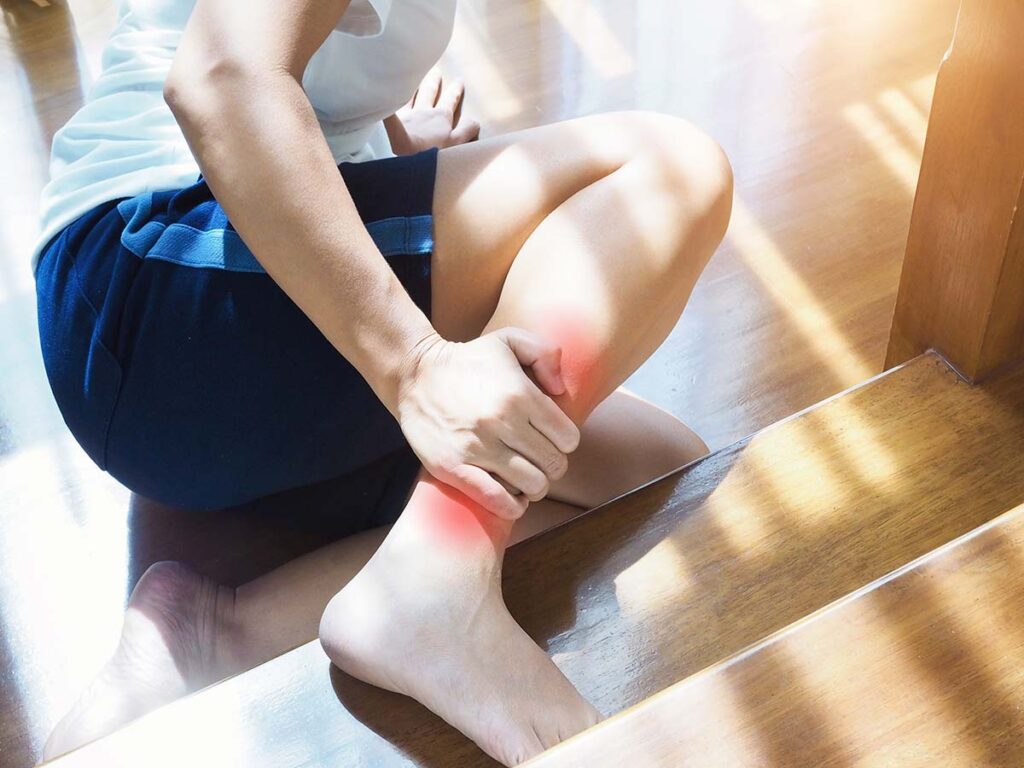
How stairway fall cases are actually built in Brooklyn
A strong case does not start with a lawsuit. It starts with reconstructing what the stairway looked like before your fall.
That means identifying how long the condition existed, whether tenants complained, and whether repairs were delayed. In many Brooklyn buildings, especially rent stabilized properties, maintenance issues leave a paper trail through complaints, inspection reports, or city violations.
The legal standard that controls these claims in New York
To succeed, your case must show that the property owner failed to maintain the stairway safely and had notice of the condition.
Notice is not just about what they admit. It can be proven by showing the condition existed long enough that it should have been discovered during routine inspections required under New York safety rules.
This is often the turning point in a case.
What experienced claim evaluation looks for immediately
Early in a claim, the focus is on three questions. How did the fall happen, what condition caused it, and how long that condition existed.
Photos help, but they are not enough on their own. The strength of a case often comes from connecting your fall to a pattern of neglect, such as repeated lighting outages, unresolved repair requests, or visible wear that developed over time.
Real stairway fall patterns across Brooklyn properties
In older buildings in Bedford Stuyvesant, staircases often settle unevenly, creating height differences that are not immediately obvious until someone trips.
In commercial buildings near Fulton Mall, stairwells are frequently exposed to water or debris during busy hours, and cleanup is delayed. These conditions are predictable, and when they are not addressed, they create risk.
How property owners try to reduce or deny responsibility
Most defenses focus on shifting the timeline or the blame. Owners may argue the hazard appeared suddenly or that it was too minor to fix right away.
They may also claim the condition was obvious, suggesting you should have avoided it. In practice, these arguments are used to reduce liability even when the hazard was real and preventable.
Where many stairway fall claims lose value
Cases often weaken when the condition disappears before it is documented. Repairs made shortly after a fall can remove the most important evidence.
Another issue is inconsistent reporting. If the incident is not recorded clearly and early, property owners may challenge whether it happened the way you describe.
How injuries from stairway falls are evaluated over time
Unlike a simple fall, stairway accidents often involve multiple impacts. You may hit several steps, which can lead to combined injuries affecting your head, spine, and joints.
The evaluation of your claim focuses not just on diagnosis, but on how those injuries limit your ability to move, work, and function day to day.
What makes these cases different from other fall claims
Stairway cases often involve structural conditions rather than temporary hazards. Issues like uneven steps, missing handrails, or poor lighting develop over time.
Because of that, proving how long the condition existed becomes more important than in many other types of fall cases.
Steps that can directly affect the outcome of your case
Seeking medical care immediately creates a record that connects your injury to the fall. Reporting the incident creates a timeline that is harder to dispute, whether the accident happened in Brooklyn or elsewhere.
Photographs, witness information, and written reports help preserve what the stairway looked like before changes are made. Once repairs happen, that opportunity is gone.
Get help from a Brooklyn Stairway Fall Lawyer at Greenstein & Pittari, LLP
You are dealing with more than a fall, you are dealing with the consequences of a condition that should have been addressed before you ever stepped there. A Brooklyn Stairway Fall Lawyer at Greenstein & Pittari, LLP can help you understand how these cases are evaluated, what evidence matters most, and how to move forward with a claim that reflects the full impact of what happened.

Brooklyn Stairway Fall Lawyer FAQs
What is the most important factor in a stairway fall case?
Proving that the property owner had notice of the hazard and failed to fix it within a reasonable time.
Can I still file a claim if the stairway was repaired after my fall?
Yes, but proving the condition existed may depend on photos, witnesses, and prior complaints or records.
How long do I have to file a stairway fall claim in New York?
Most cases must be filed within three years, but evidence should be preserved immediately.
What if the building owner says the hazard was obvious?
You may still have a claim, but they may argue shared fault, which can reduce compensation.
What kind of conditions most often lead to these falls?
Uneven steps, broken or missing handrails, poor lighting, and surfaces that are not properly maintained.
Why is early documentation so important after a fall?
Because conditions are often fixed quickly, and without early proof, it becomes harder to show what caused your fall.