


5 Signs Your Loved One is Being Neglected in a Nursing Home
Placing a loved one in a nursing home is never an easy decision. You want to believe they are safe, well cared for, and treated with dignity.
But nursing home neglect is more common than most families realize, and knowing the signs your loved one is being neglected in a nursing home could make all the difference in protecting them from further harm.
If something feels off during your visits, trust your instincts. Below are the most important red flags to watch for, and what to do if you suspect your loved one is being mistreated.
What Is Nursing Home Neglect?
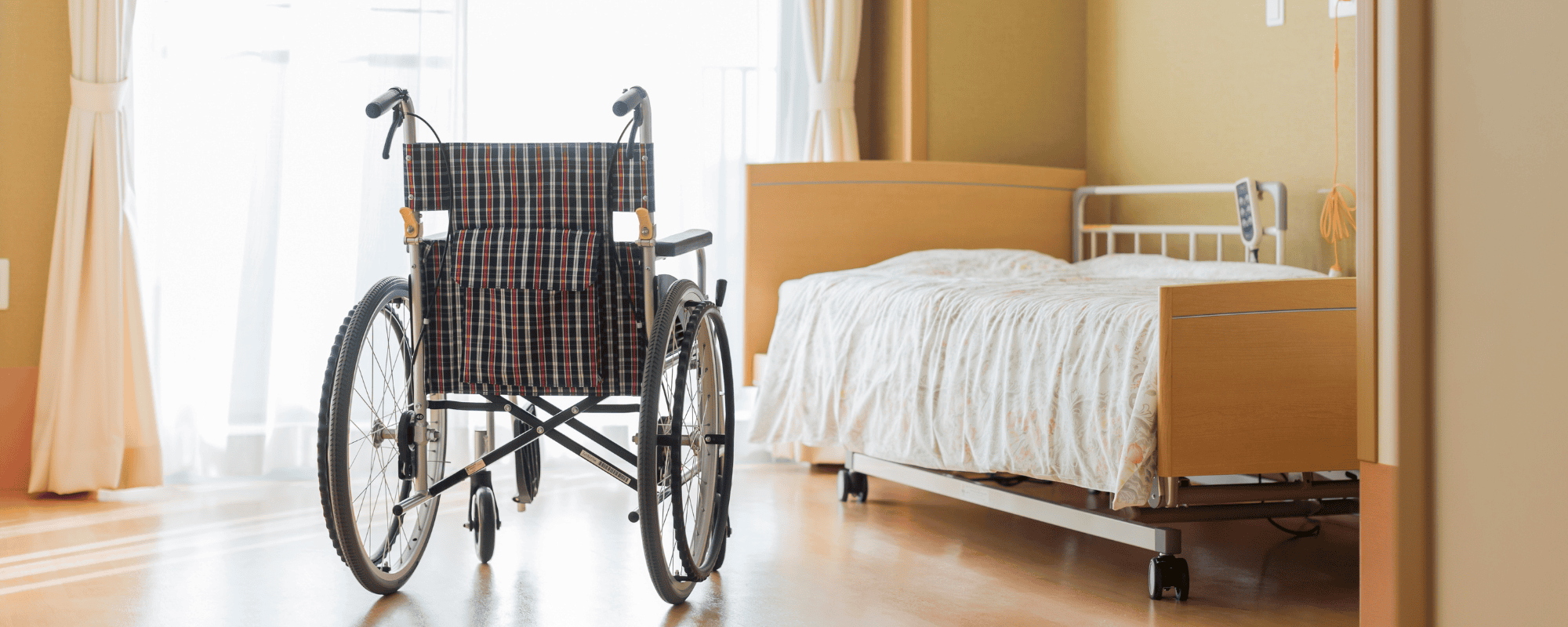
Nursing home neglect occurs when a facility fails to provide residents’ basic needs, including food, water, hygiene, medical care, and emotional support.
Unlike nursing home abuse, which involves intentional harm, neglect can result from understaffing, poor training, or a general disregard for resident welfare.
Both nursing home abuse and neglect are forms of elder abuse, and both are serious violations of your loved one’s legal rights.
Under New York law, nursing home residents are entitled to receive adequate care, and facilities can be held legally accountable when they fail to meet that standard.
Common Signs of Nursing Home Neglect

Recognizing the warning signs early can prevent serious harm. These are the most common signs that many nursing home residents experience when neglect is occurring:
1. Bedsores
Bedsores, also called pressure ulcers, are one of the clearest red flags of nursing home neglect.
They develop when a resident is left in the same position for too long without being moved or repositioned. Properly trained staff should prevent bedsores entirely through routine repositioning and skin monitoring.
When bedsores appear, especially in advanced stages, it is a strong indication that nursing home residents are not receiving the basic supervision and care they need.
2. Isolation
Nursing homes are legally prohibited from isolating residents against their will.
If your loved one is consistently alone in their room, excluded from group activities, or prevented from socializing, staff may be neglecting their mental health and emotional well-being.
Isolation in assisted living and nursing home settings can accelerate cognitive decline, depression, and anxiety, making it a serious form of neglect even when no physical harm is visible.
3. Malnutrition or Dehydration
According to the CDC, nearly one-third of the many nursing home residents across the United States suffer from malnutrition or dehydration.
Both are largely preventable with proper care, making them significant red flags when they occur.
Malnutrition and dehydration can cause tooth decay, anemia, broken bones, low blood pressure, weakened immunity, and in severe cases, death.
If your loved one appears noticeably thinner, confused, or weak, suspect nursing home neglect and investigate immediately.
4. Decline in Hygiene
Many nursing home residents require assistance with bathing, dressing, and basic grooming.
When staff fail to provide this help, the results are visible: unwashed hair, soiled clothing, body odor, or unkempt appearance.
A decline in personal hygiene is one of the most visible common signs that a resident’s basic needs are not being met. It may also indicate broader neglect across other areas of care.
5. Sudden decline in health.
A rapid or unexplained deterioration in your loved one’s physical condition is always a red flag.
Many nursing home residents depend on daily medication to manage conditions like diabetes, hypertension, or heart disease.
If caregivers are not administering medications correctly or on schedule, the consequences can be life-threatening.
Frequent infections, recurring illness, or unexplained injuries may also indicate that staff are not following proper medical protocols, or worse, that nursing home abuse is occurring alongside the neglect.
6. Unexplained Injuries
Bruises, cuts, fractures, or burns that staff cannot adequately explain are serious red flags requiring immediate attention.
While some injuries can occur accidentally, unexplained injuries, especially recurring ones, may be a sign of nursing home abuse or dangerous levels of neglect.
Document any injuries you observe with photographs and dates, and request written explanations from the facility’s administration.
Other Warning Signs to Watch For
Beyond the most common signs, these additional indicators may suggest nursing home neglect or elder abuse:
| Warning Sign | What It May Indicate |
|---|---|
| Fearfulness around staff | Your loved one seems anxious, withdrawn, or frightened when certain staff members are present, a potential sign of nursing home abuse |
| Unexplained financial changes | Missing money, unauthorized transactions, or sudden changes to legal documents may signal financial elder abuse |
| Deteriorating mental health | Increased confusion, depression, or withdrawal from activities may result from isolation, neglect, or emotional abuse |
| Unclean living environment | Dirty bedding, unemptied waste, or unsanitary conditions in the room indicate failure to meet a resident’s basic care needs |
| Staff refusing family access | Attempts to limit or control your visits may be an effort to conceal ongoing neglect or abuse |
What to Do If You Suspect Nursing Home Neglect

If you notice any of these red flags, take action immediately. Here is what to do when you suspect nursing home neglect or elder abuse:
- Document everything: Take photos of injuries, living conditions, and anything that concerns you. Write down dates, times, and what you observed
- Speak directly with administration: Request a formal meeting and ask for written explanations regarding any incidents or concerns
- Contact Adult Protective Services: Adult protective services in New York investigate reports of elder abuse and nursing home neglect. You can also contact the New York State Long Term Care Ombudsman Program
- Report suspected abuse to social services: Social services agencies can intervene to protect your loved one and ensure their mental health and physical wellbeing are addressed
- Consult a nursing home neglect attorney: An experienced lawyer can help you understand your legal options, protect your loved one’s rights, and hold the facility accountable
How Greenstein & Pittari Can Help
If you believe your loved one is experiencing nursing home neglect or elder abuse, you don’t have to navigate this alone.
At Greenstein & Pittari, LLP, we have decades of experience helping New York families report suspected abuse and pursue justice against negligent nursing homes and assisted living facilities.
We will evaluate your loved one’s situation, explain your legal options, and fight to hold those responsible accountable. Many nursing home residents suffer in silence because their families don’t know where to turn. We are here to help.
Call us at 1-800-Victim2 (1-800-842-8462) for a free, confidential consultation. The call is free. You don’t pay unless we win.
Frequently Asked Questions
1. What are the most common signs of nursing home neglect?
The most common signs include bedsores, malnutrition or dehydration, a decline in hygiene, unexplained injuries, sudden health deterioration, and isolation from social activities.
If you notice any of these red flags during visits to a nursing home or assisted living facility, take action immediately and consult an attorney experienced in elder abuse cases.
2. What is the difference between nursing home neglect and nursing home abuse?
Nursing home abuse involves intentional harmful acts toward a resident, such as physical, emotional, or financial abuse.
Nursing home neglect occurs when staff fail to provide residents’ basic needs: food, water, hygiene, medical care, and supervision.
3. Who should I contact if I suspect nursing home neglect in New York?
You should contact adult protective services, the New York State Long Term Care Ombudsman Program, and social services to report suspected abuse or neglect.
You should also consult a nursing home neglect attorney who can help you protect your loved one’s rights and pursue legal action against the facility if warranted.
4. Can a nursing home be held legally responsible for neglect?
Yes. Nursing homes have a legal duty to provide adequate care to all residents. When they fail to meet that standard, whether through understaffing, poor training, or intentional disregard for resident welfare, they can be held legally accountable.
An experienced attorney can investigate the situation, gather evidence, and pursue compensation on behalf of your loved one.
5. What should I do if I notice unexplained injuries on my loved one?
Document the injuries immediately with photographs and written notes, including dates and times. Request a written explanation from the facility’s administration and follow up in writing.
Contact adult protective services to report suspected abuse, and consult a nursing home neglect attorney as soon as possible to protect your loved one’s rights.